Imaginative Play: Benefits, Stages, and Tips for Your Child

About: Imaginative Play: Benefits, Stages, and Tips for Your Child
Imaginative play, also known as pretend play, is far more than just a fun way to spend time with your baby. It stimulates the senses, creates opportunities for exploration and creative thinking, and helps your child develop key skills vital for intellectual and emotional growth as well as social success. Understanding the stages and benefits of creative play empowers parents to support their child's development effectively.
When Imaginative Play Begins and How It Develops
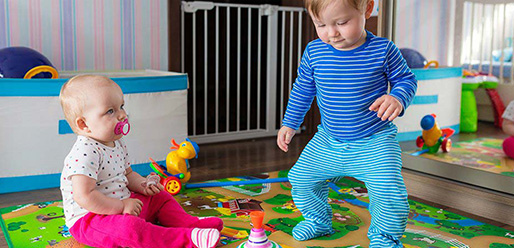
The first signs of pretend play emerge around 12 to 18 months. You might notice your 18-month-old try to feed a baby doll with a spoon, or pick up a block and bring it to their ear as a phone. Early pretend play is largely solitary - while your tiny tot may enjoy the company of friends, each child is under the spell of a separate fantasy.
It is not until after the 3rd or 4th birthday that pretend play becomes truly interactive, although children continue to enjoy solitary pretend play with miniature toys such as dolls houses, castles, and small trucks. The years from three to six are considered the golden years of imaginative play, when children are most immersed in their world of fantasy.
| Age Range | Play Stage | Characteristics |
| 12-18 months | Early pretend play | Solitary; uses objects symbolically (block as phone, spoon-feeding dolls) |
| 18 months - 3 years | Developing pretend play | Still mostly solitary; enjoys miniature toys and simple scenarios |
| 3-6 years | Golden years of imaginative play | Truly interactive; role-play, dress-up, and social fantasy with peers |
Props and Toys to Encourage Creative Play
You can enrich your child's fantasy world by providing appropriate props and toys at each stage:
- Realistic props for beginners: Miniature figurines, kitchenware, medical play kits, and gardening tools help children get started and sustain their play.
- Unrealistic props for older children: Cardboard boxes, sticks, and cartons become equally important as children grow more comfortable with imaginative play.
- Open-ended objects: Coloured blocks extend children's imagination with unlimited possibilities.
- Dress-up items: Older preschoolers enjoy role-play and love dressing up, often imitating adults to understand the world of adulthood.
How Parents Should Participate in Imaginative Play
- If invited to participate, join in and take direction from your child - this is their world and they relish the opportunity to be in charge.
- Avoid over-involving yourself. Follow your child's lead and improvise along the way.
- Let them control the major details of their story. Stick to asking simple questions and showing enthusiasm.
- When adults are overly intrusive in leading play, many of the intrinsic benefits are lost.
Developmental Benefits of Pretend Play
Pretend play will enhance your child's self-confidence, self-awareness, and self-control. It stimulates creative thinking and improves memory, language, and perspective-taking skills. As the most social form of play, imaginative play has the greatest impact on developing key skills for success with peers - teaching children to cooperate, compromise, participate in social activities, understand social relationships, and voice their own opinions.