How to Tackle Sibling Rivalry: A Parent's Complete Guide
Understanding Sibling Rivalry: Common Scenarios
Scenario 1: Shivani rushes into the bedroom on hearing her younger one crying. She gives an angry stare to the older one. He says with a smirk, "I didn't hit him! I was just playing with him."
When Siblings Love and Fight
Scenario 2: Neha during a tea party with other mums says, "I'm so lucky my kids really love each other during those brief moments when they're not trying to beat the crap out of each other."
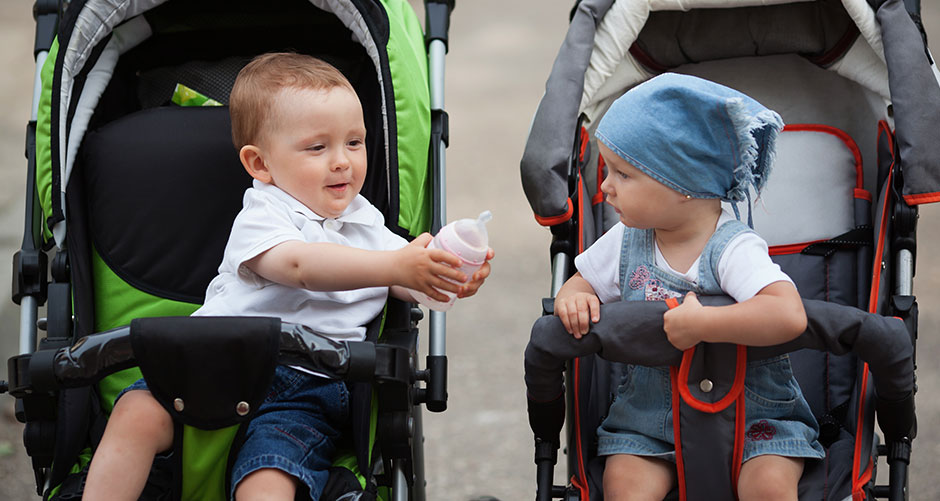
Sound familiar? Whenever the word sibling is uttered, the word rivalry seems sure to follow. Sibling rivalry is one of the most common challenges in parenting. Regardless of whether the rivalry signals a long-term positive or negative relationship, it is important for parents to keep sibling rivalry in check.
Preparing Your Older Child Before the New Baby Arrives
- Get the older child acquainted with the new baby by showing pictures of the baby in mummy's belly.
- Allow the older one to feel the baby, talk to the baby, and feel the kicks.
- Show them pictures of what they looked like at birth, coming home from the hospital, and getting their diaper changed.
- Walking the older one through their own baby events prepares them for a replay with the new sibling.
Managing the Early Days With Two Children
The idea of sharing parents and prized possessions with a newborn can upset the older child. While you need to give your full attention to the newborn initially, ensure your older child is not neglected. Start most days with "special time" - twenty minutes of intensive one-on-one care with your toddler can prevent angry feelings toward the new baby and is a good investment in the rest of the day.
Making your elder sibling feel responsible for the younger one is an effective way of tackling power struggles. Give supervised responsibility to the older child, which motivates them to be more caring and nurturing. The younger child will start respecting their elder sibling and show more love in return.
Essential Tips for Managing Sibling Rivalry
- Rivalry is natural: Do not feel upset or inadequate if your children are always fighting. Sibling rivalry is a natural process of growing up and it is healthy for them to fight, make up, and fight again.
- Only intervene when violent: Do not be too eager to step in during arguments. Children learn confidence and self-reliance when they sort out their own disagreements. Only interfere when conflicts become violent.
- Avoid being the judge: Taking sides is a no-win situation. If you need to make a decision, hear both sides out and be objective and consistent. The decision should be brief and precise.
- Enforce a no-violence rule: This must be a hard and fast rule that all children in the home must follow.
- Avoid labelling and comparisons: Labelling adds unnecessary pressure. Never compare children with each other, classmates, neighbours, or cousins. Negative comparisons heighten sibling rivalry intensity.
- Anticipate trouble spots: Pick up "danger signs" early and intervene before conflicts escalate.
- Protect all children: Sometimes the older sibling needs your protection more than the younger one. The older child is often expected to give in without considering their own needs.
- Use reward systems: Highlight and praise good behaviours. When one child misbehaves, do not hesitate to remove the reward.
- Provide private space: Ensure each child has their own space where they can be alone and keep their toys and books. Make sure other children respect this private space.
The battle between brothers and sisters is perfectly normal in family relationships. Rather than eliminating sibling rivalry, manage it constructively. Being parents means playing many roles - teacher, referee, coach, psychologist, and friend. Constant communication with your children can help them become lifelong friends.