Everything Parents Need to Know About Child Bedwetting
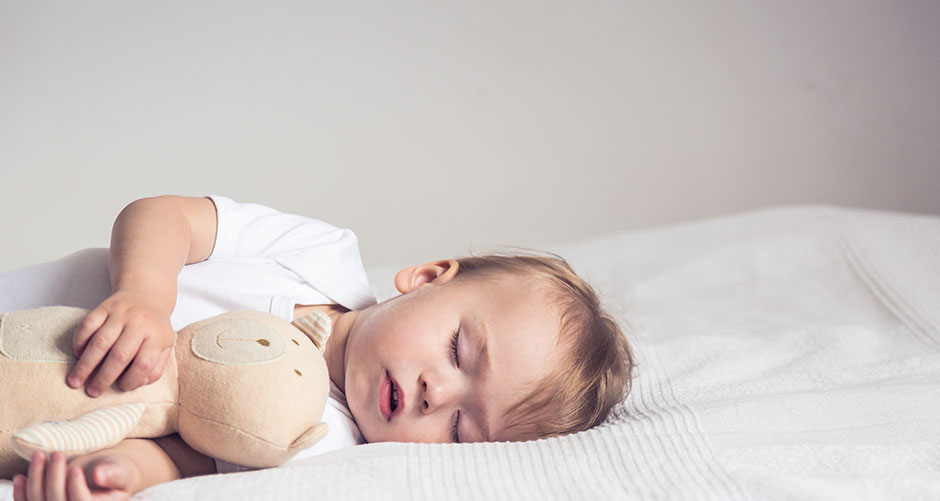
Frustrating as it may be, bedwetting is a natural part of your child's development and growth. Toilet training is one of the dozens of skills that babies learn at different rates. Understanding what bedwetting is, when to expect it, and how to care for your child will help you navigate this phase with patience and confidence.
What Is Bedwetting?
Bedwetting refers to preschoolers and older toilet-trained children involuntarily urinating in their sleep. It is not applied to newborns, infants, or toddlers. Bedwetting occurs when babies' brains are still perfecting two skills: relaxing a filling bladder so it can hold more urine, and waking up from a "bladder full" signal.
The scientific term for bedwetting is Enuresis, which has two types:
| Type | Full Name | Description |
| PNE | Primary Nocturnal Enuresis | Bedwetting in children aged 5+ who have never achieved nighttime dryness. Two subtypes: with daytime symptoms (urgency and frequency) or without (bed-wetting only at night) |
| SNE | Secondary Nocturnal Enuresis | Bedwetting in children of any age after achieving a 6-month period of dry nights |
Bladder Control Milestones by Age
| Age | Bladder Control Milestone |
| 18 months | Child is unaware of any bladder activity |
| 18-24 months | Babies can sense the emptying of the bladder |
| 3 years | Children are mostly able to voluntarily stop urination |
| 3-5 years | Most children can stay dry both during day and night |
Be Patient With Young Children
Be patient with children aged 6-7 years and do not treat bedwetting as a problem. Babies generally outgrow PNE bedwetting without medical intervention. The National Association for Continence states that every year 15% of children overcome PNE without any treatment. Consult a paediatrician only if the problem persists beyond the age of 7.
What Causes Bedwetting in Children?
If your child is older than 6 and still suffers from bedwetting, familiarise yourself with the known causes while consulting a paediatrician. In addition to external medical and physiological factors, heredity plays a big role, which deepens the need for continued patience and understanding.
Bedwetting Care Guidelines
Always follow your paediatrician's advice and keep these evergreen guidelines in mind:
- Use top quality diapers or diaper pants . For older children, use mattress protectors.
- Read up on the routine and habituate your child to visit the washroom before bed.
- Be emotionally supportive to your little ones and defuse guilt by making them understand it is natural and they will outgrow it.
Early intervention along with expert help from your paediatrician will help you support your child in overcoming bedwetting.