How Many Weeks Pregnant Are You?
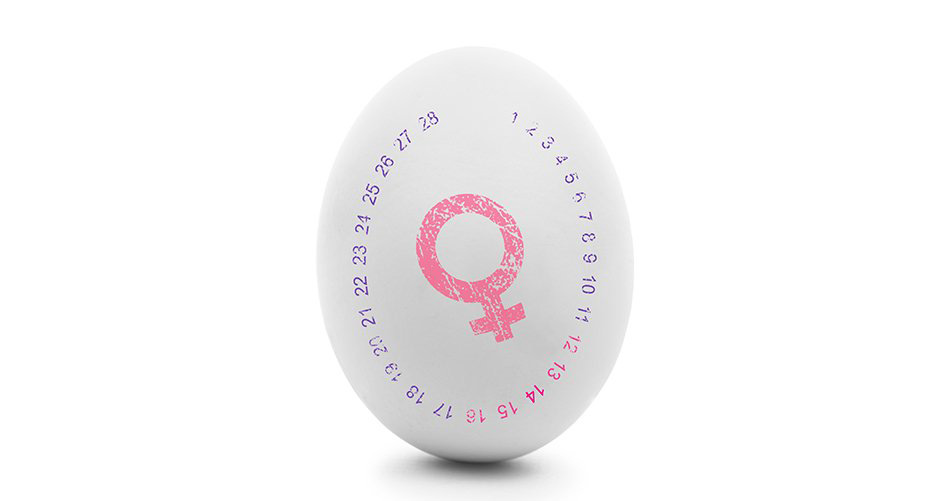
Dear mum, by now you’re fairly certain that you’re pregnant — congratulations! Yet answering the simple question “How many weeks pregnant?” is not always easy. There are actually two valid systems used today to calculate it: gestational age and fetal age.
Gestational Age
Gestational age is the traditional method used for generations. Because ovulation and fertilisation have no outward signs and cannot be precisely dated, this method counts from Day 1 of your Last Menstrual Period (LMP).
- LMP typically occurs 2 weeks before ovulation
- Weeks counted from the LMP become your gestational “weeks pregnant”
- It amusingly means you are “2 weeks pregnant” at ovulation!
- Gestational term is 40 weeks (280 days) from LMP
- Still commonly used to calculate your due date
This is a simple, informal measure — what many mothers have always used.
Fetal Age (Ovulation System Age)
Fetal age is the actual age of your baby — meaning the number of weeks since fertilisation.
It relies on modern technology such as ultrasound or ovulation testing, making it more precise than gestational age.
- Based on actual fertilisation timing
- Highly accurate for shorter or longer cycles (not 28 days)
- Not dependent on the assumption that ovulation happens 14 days after LMP
For women with irregular cycles, fetal age offers greater accuracy.
Understanding Pregnancy Trimesters
Pregnancy is commonly divided into 3 trimesters, each about 12 weeks long.
These stages represent major differences in:
- Your symptoms and physical changes
- Your baby’s development
How Long Will Your Pregnancy Last?
he classical method to estimate your due date is Naegele’s rule:
- Add 7 days to the 1st day of your LMP
- Add 9 months to the month
Example:
If your LMP started on 18 November, your estimated due date becomes 24 August.
Naegele’s rule assumes:
- A 28 day cycle
- Ovulation and fertilisation on Day 14
- Total gestation: 38 weeks from ovulation
- Or 40 weeks from LMP
However:
- Only 3–5% of babies arrive exactly on their due date
- Most common arrival time: 40 weeks + 3 days
- Babies born between 37 and 42 weeks of gestation can be perfectly healthy