1 Month Pregnant: Early Symptoms and Baby Development

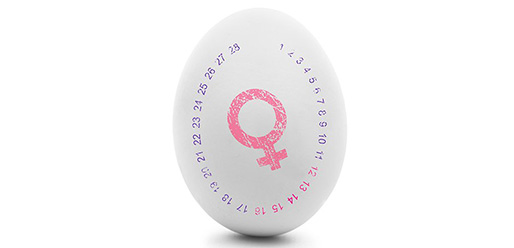
Whether your home pregnancy test is positive or your doctor has confirmed it, congratulations - you are officially pregnant! You are at the beginning of an incredible journey. During the first two weeks of pregnancy you are not technically pregnant, but the lead-up has begun. For calculation purposes, week one is marked by the beginning of your last menstrual cycle.
If your partner's sperm has successfully fertilised your egg by week three, a tiny embryo will have started to form.
You at 1 Month Pregnant
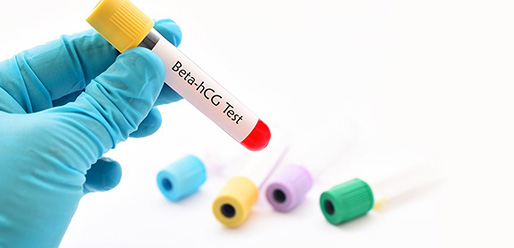
It is rare to feel any pregnancy symptoms yet. You have not even missed a period, so most pregnant women have no idea an embryo is forming inside them. If you suspect you are pregnant and cannot wait, take a home pregnancy test. Read the directions carefully and ensure all equipment is clean for the most accurate result.
Your Baby at 1 Month Pregnant
Your baby starts out as a group of cells multiplying and growing rapidly. The outer layer becomes the placenta and the inner layer grows into an embryo. The placenta transfers nutrients from you to your baby and processes waste.
- Once the growing embryo travels from your fallopian tube into the womb, it burrows into the lining of your uterus - this is called implantation.
- During the first two weeks of development, a primitive face starts to form with eyes, mouth, lower jaw, and throat beginning to develop.
- Blood cells are taking shape to prepare for circulation.
- Your baby measures approximately five millimetres - smaller than a grain of rice.
Things to Think About at 1 Month Pregnant
- Follow a healthy pregnancy diet: Include a variety of nutrient-dense foods from the recommended food groups to give your baby the best chance of developing healthily.
- Start taking folic acid: Folic acid is a crucial vitamin for the healthy development of your baby's neural tube.
- Avoid alcohol: There is no proven safe amount of alcohol consumption during pregnancy. The placenta cannot completely filter out alcohol, meaning a percentage still reaches your baby.
- Stay hydrated: Drink plenty of water and consider healthy non-alcoholic alternatives.