2 Months Pregnant: Symptoms, Baby Growth and Body Changes
Congratulations on making it to your second month of pregnancy. Your baby is growing fast - about a millimetre bigger each day. This is a critical month for your baby's development as major organs and limbs are forming. Any interference from harmful drugs, alcohol, viruses, or bacteria could negatively affect healthy baby growth.
You at 2 Months Pregnant: Common Symptoms
This is the first month you skip a period, making you suspicious of pregnancy. By the end of month two, you may notice several early pregnancy symptoms:
- Nausea (also called morning sickness, though it can strike at any time)
- Sensitive or tender breasts
- Darkened nipples
- Increased urge to urinate
- Feeling more sleepy than normal
- Particular moodiness
- Queasiness from certain smells
Something you probably will not notice is the increased blood volume in your body. In early pregnancy, your heart starts pumping about 50% more blood per minute for your baby.
Your Baby at 2 Months Pregnant: Key Developments
Your baby is making huge progress this month. The heart, brain, spinal cord, muscles, and bones are beginning to develop. The umbilical cord, which connects your baby to your blood supply, also forms this month.
- By the end of month two, your baby looks more like a human with eyelids and ears forming and the tip of the nose visible.
- Little arms, legs, fingers, and toes will be well formed at eight weeks.
- Your baby measures up to a little over two centimetres - about the same size as a raspberry.
Things to Think About at 2 Months Pregnant
- Schedule a prenatal visit: Regular prenatal visits from early pregnancy support a healthy pregnancy and baby.
- Maintain a healthy diet: Eat a nutritious pregnancy diet and take your pregnancy supplements. Kick unhealthy habits like smoking or drinking.
- Combat morning sickness: Do not let your stomach run on empty. Keep healthy snacks nearby and graze throughout the day instead of three big meals. Hard cheese and crackers make a great protein-filled snack.
- Wear a supportive bra: Supporting your breasts well throughout pregnancy helps with comfort and prevents sagging.
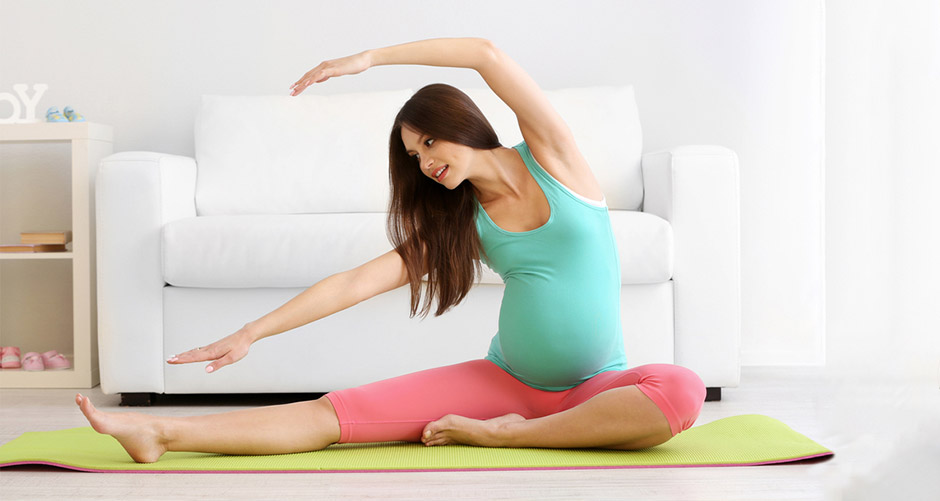
- Stay active: Keep up regular, low-impact exercise throughout your pregnancy for your physical and mental health.