Activity and play
How to Manage Your Baby's Anger: Tips for Parents
Learn how to manage your baby's anger with practical tips for parents. Understand why children feel anger and discover healthy ways to help them express emotions.

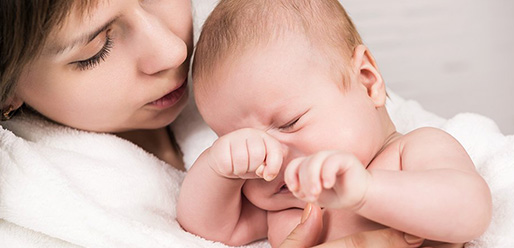
As a parent, you might have noticed that your child's mood can shift with the wind. At early stages, it is very easy for them to suddenly become a hurricane of emotions. While little outbursts are natural, it can be concerning when your child shows significant anger or frustration over minor incidents. Understanding how to manage toddler tantrums and baby anger is an essential parenting skill.
Tips for Managing Your Child's Anger
Anger is a normal emotion for all young children. While it can cause stress for those around, it plays a positive role in human development. Here are essential strategies for managing your child's emotional outbursts:
- Anger is normal: Rest assured that anger is a healthy emotion for all young children to experience. It plays a positive role in development.
- Be a role model: You play a critical role in the socialisation process. Be mindful and model healthy, appropriate ways of expressing anger. If children see parents express anger without abusive language, name-calling, or physical violence, they learn to do the same.
- Intervene with questions: When your child expresses anger, ask them simple questions and try to reason with them to help them understand their feelings.
- Turn negatives into positives: If children fight with siblings or friends over toys and push or hit to get their way, turn this into a positive learning experience.
- Use role-play: Play as a playmate and have children practice requesting to share toys rather than grabbing.
- Encourage verbal expression: Saying "use your words" to an angry child encourages them to express feelings rather than resort to physical means.
- Allow the feeling, curb the behaviour: The goal is to curb unacceptable behaviour like violence and tantrums, but not to prevent the child from feeling anger. Anger is an important emotion children should be allowed to feel.
- Set up incentive plans: Provide small rewards for children who ask to take turns or share instead of punching or grabbing. This provides good positive reinforcement and motivates better turn-taking skills.
- Talk after calming down: Once your child has calmed down, discuss what made them angry. Help them see all sides of the situation and come up with new options together that meet everyone's needs.
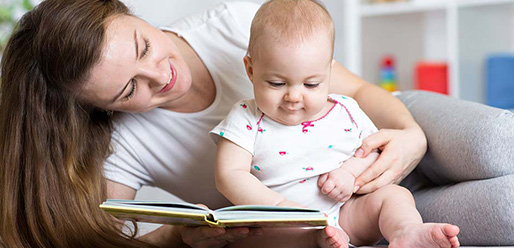
- Use books about anger: Reading books about characters dealing with anger helps children understand they are not alone in their feelings.
- Seek help when needed: If your child's angry outbursts are out of control, constant, violent, or potentially dangerous, seeking outside help is a wise decision for your family's well-being.
- Show love despite disagreement: Parents can demonstrate that you can love someone and still disagree with them or get angry in a loving way. This is an invaluable lesson for children.
Kimberly-Clark India makes no warranties or representations regarding the completeness or accuracy of the information. This information should be used only as a guide and should not be relied upon as a substitute for professional medical or other health professional advice.
FAQs on How To Manage Your Babys Anger
Yes, anger is a completely normal emotion for all young children to experience. While anger can cause stress for those around, it plays a positive role in human development. The goal is to curb unacceptable behaviour like violence and tantrums, not to prevent children from feeling anger.
Intervene by asking simple questions and trying to reason with your child. Encourage them to "use their words" rather than resort to physical means. Once they have calmed down, discuss what made them angry and help them see all sides of the situation.
Express anger without abusive language, name-calling, or physical violence. Children watch and absorb their parents' behaviour. If they see you manage anger appropriately, they learn to do the same. Show them you can love someone and still disagree with them.
Turn the negative situation into a positive learning experience. Use role-play to have children practice requesting to share toys. Set up an incentive plan that provides small rewards for children who ask to take turns or share instead of punching or grabbing.
Seek outside help if your child's angry outbursts are out of control, constant, violent, or potentially dangerous. Professional support can be a wise decision for the well-being of your entire family when anger issues become severe.
Reading books about characters dealing with anger helps children understand they are not alone in their feelings. Stories provide relatable scenarios that teach children healthy ways to express and process their emotions.
Yes, setting up an incentive plan that provides small rewards for positive behaviour like asking to take turns or sharing can motivate children to work harder at turn-taking. This provides good positive reinforcement over time.