learning development
Reading to Your Baby: Tips to Build a Love of Books Early
Start reading to your child from birth to build language skills and a love of books. Discover 18 practical tips and supportive reading techniques for parents.

Start Reading to Your Child From Birth
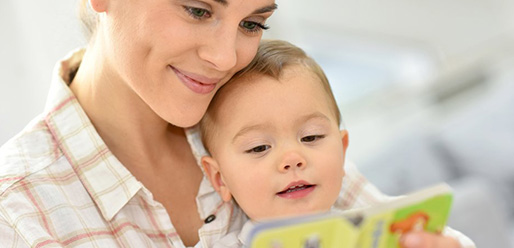
It is never too early to encourage your child to develop a love of reading. Reading to your baby from the very first day lays the foundation for language development, listening habits, and a lifelong passion for books. Here are practical tips to make reading a cherished part of your child's daily life.
- Read every day: Make reading an expected and enjoyable part of your child's daily routine.
- Make reading fun: If you enjoy reading, your child will too. They will learn to associate reading with pleasure.
- Choose relatable books: Select books that encompass your child's life experience so they can connect with the content.
- Create personal connections: Build a bond between your child and books by relating stories to their own experiences.
- Create books together: Make books with your child about them, their family, school, and life. This is a wonderful way to encourage a love of books.
- Model reading behaviour: Make sure your child sees you reading - books, newspapers, or even the cereal packet. If they see you enjoy reading, they will want to read too.
- Match books to age and ability: Avoid books that are too long or complicated. If your child is exhausted and confused, they will not want to continue.
- Visit library story sessions: Take your child to regular story-telling sessions at your local library, often followed by art and craft activities.
- Praise all reading attempts: Even when children are young and only reading from memory or making mistakes, every effort should be praised and rewarded.
- Gift books: Buy them books as gifts or surprise rewards for good behaviour.
- Establish a bedtime reading routine: Reading aloud is a great way to end the day and the perfect way to settle your child before bedtime.
- Choose interactive books: Books with repetition, rhyme, predictable stories, or word patterns significantly improve how a child learns words.
- Select age-appropriate subjects: Choose books with subject matter that interests your child at their developmental stage.
- Use board books for young babies: Hard, thick board books survive even when they spend more time in your baby's mouth than in their hands.
- Keep it pressure-free: Do not try to teach during reading time. Let your child interrupt, ask questions, and tell you the story if they know it.
- Be expressive: If you are excited about reading and books, your child will be too.
- Continue reading aloud: Even when your child can read independently, keep reading to them.
- Make books accessible: Put books on a low shelf or in storage tubs that your child can easily reach.
Supportive Reading Techniques for Parents
A child who enjoys reading is more likely to pay attention, and attention is essential for learning. Here are supportive reading techniques that parents can adopt to encourage reading enjoyment:
- Let your child set the pace: Allow them to turn pages at their own speed. If they want to flick forward ahead of the story, that is okay.
- Focus on pictures for young children: Words are not that interesting to very young children. Make the experience engaging by referring to pictures and linking them to everyday life. Do not be afraid to divert from the story.
- Interact and embellish: Interaction and embellishment of stories is one of the most supportive things a parent can share when reading. It makes books fun and engaging.
- Support understanding over correction: Rather than correcting pronunciation, support your child's comprehension. Their technique will improve with familiarity to words and sounds.
Kimberly-Clark India makes no warranties or representations regarding the completeness or accuracy of the information. This information should be used only as a guide and should not be relied upon as a substitute for professional medical or other health professional advice.
FAQs on Reading To Your Baby
Start reading to your child from the moment they are born. It is never too early to encourage a love of reading. Reading from birth lays the foundation for language development, listening habits, and a lifelong passion for books.
Reading to your baby builds language skills, improves listening habits, and creates a love of books. Studies show that books with repetition, rhyme, and word patterns significantly improve how a child learns words. It also strengthens the parent-child bond through shared daily routines.
Choose age-appropriate books with subject matter that interests your child. For young babies, use hard, thick board books that survive being mouthed. Select books with repetition, rhyme, predictable stories, or word patterns, and choose books your child can relate to from their own life experience.
No, rather than correcting pronunciation, support your child's understanding. Their technique will improve with familiarity to words and sounds. Praise all reading attempts, even when young children are only reading from memory or making mistakes. Every effort should be encouraged.
Let your child turn pages at their own pace, refer to pictures and link them to everyday life, interact and embellish stories to make books fun, and support understanding rather than correcting pronunciation. These techniques make reading enjoyable and encourage continued interest.
Be expressive and excited when you read. Let your child interrupt, ask questions, and tell you the story if they know it. Do not try to teach during reading time. Create books together about your child and their life, and visit library story-telling sessions followed by art and craft activities.
Yes, even when your child can read independently, continue reading to them. Reading aloud maintains the bond, exposes them to more complex language, and keeps the association between reading and pleasure strong throughout their development.