5 Effective Methods to Relieve Labour Pain During Childbirth
Different methods are available to relieve labour pain. Effectiveness varies among individuals, so familiarising yourself with the common methods before you go into labour helps you make quick decisions when necessary. Here are five pain relief options to consider.
Breathing and Relaxation Techniques
These techniques from antenatal classes involve concentrating on breathing rate and breathing out loud to help relax during labour pain. Gentle massage on your back by your partner can also relieve discomfort. This may be adequate in early labour, but many mothers need additional methods as contractions become more severe.
Nitrous Oxide Gas (Laughing Gas)
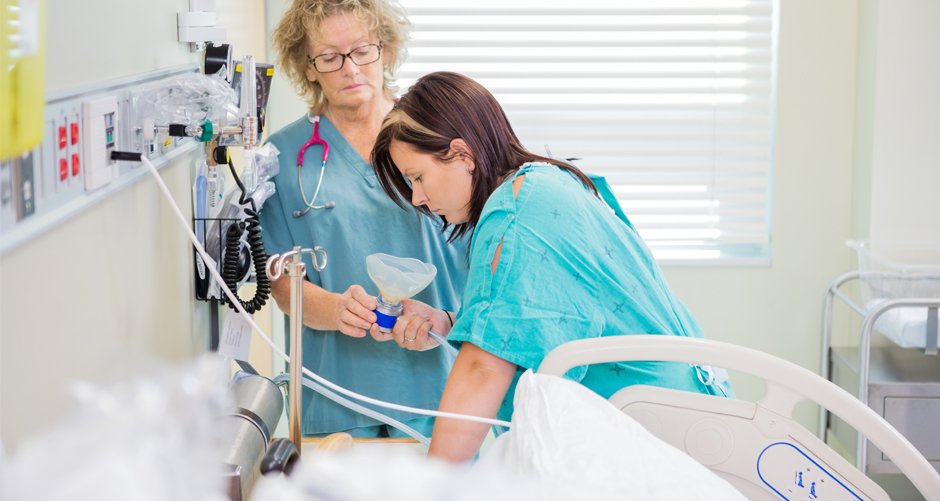
Commonly known as "laughing gas," nitrous oxide is mixed with oxygen and delivered through a mask or mouthpiece. Take deep, steady breaths before each contraction becomes painful as it takes 20-30 seconds to be effective. The gas is safe as it does not build up in your body or your baby's. However, it may cause light-headedness, drowsiness, or nausea, and not all mothers find it effective.
Injection of Pain-Relieving Drugs
Drugs such as Pethidine (the most commonly used) can be injected into the muscles to reduce labour pain. Efficacy varies among individuals. Side effects may include nausea, drowsiness, and reduced cooperation in pushing. These drugs cross the placenta to the baby and may make it drowsy and depress breathing after birth. An antidote can be given to reverse these effects.
Epidural Analgesia
Epidural analgesia is the only method capable of providing complete pain relief during labour while keeping you awake. An anaesthesiologist places a fine plastic tube into the epidural space through a needle inserted at about waist level. The procedure takes about 10 minutes, with drugs working within another 10-15 minutes. Each dose lasts approximately 2 hours.
- Local anaesthetics may numb your legs but have minimal effect on your baby.
- You should still be able to push during the 2nd stage of labour with help from your obstetrician.
- The tube allows surgical anaesthesia if an urgent Caesarean section or assisted delivery is required.
- Particularly valuable when labour is long and difficult.
Combined Spinal Epidural Analgesia (CSE)
This procedure resembles epidural analgesia but includes an additional step: a finer needle punctures the dura (membrane around the spinal cord) for a small amount of anaesthetics before the epidural tube is placed. A major advantage of CSE is quicker pain relief while you still maintain mobility.
| Method | How It Works | Onset Time | Key Consideration |
| Breathing and Relaxation | Breathing exercises and massage | Immediate | May not be enough for severe contractions |
| Nitrous Oxide Gas | Inhaled gas mixed with oxygen | 20-30 seconds | Safe but may cause drowsiness or nausea |
| Drug Injection (Pethidine) | Injected into muscles | Varies | Crosses placenta; may affect baby's breathing |
| Epidural Analgesia | Local anaesthetic via tube in back | 10-15 minutes | Best complete relief; may numb legs; lasts ~2 hours per dose |
| Combined Spinal Epidural | Spinal injection + epidural tube | Quicker than epidural | Maintains mobility; quicker pain relief |