C-Section Guide: Everything You Need to Know About Caesarean
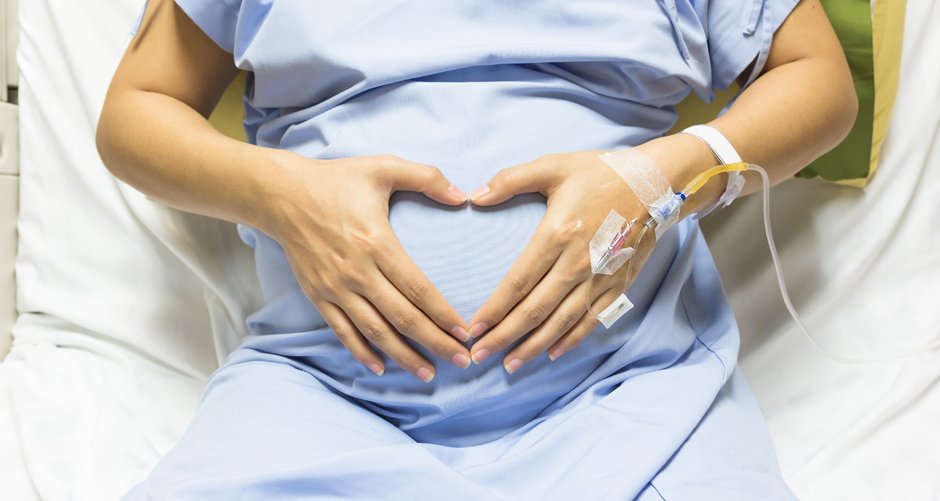
A caesarean birth or C-section means your baby is born via an operation where the surgeon makes an opening in your stomach and then the uterus to take the baby out. Whether planned or unplanned, understanding the procedure helps you prepare for every possibility during childbirth.
Why Is a C-Section Done?
If you know in advance you are having a caesarean, it is called an elective section. The decision may be made well in advance or during labour , depending on your particular needs.
Reasons for a Planned C-Section
- Your baby's head is too big, or your pelvis makes it hard for the baby to be born.
- You have a very low-lying placenta (placenta praevia) blocking your baby's way out.
- You are expecting twins or triplets.
- Complications exist, such as previous surgery on the vagina.
- Your baby is in a position making vaginal birth difficult or impossible.
Reasons for an Emergency C-Section
- Your baby is suffering from distress (lack of oxygen) and labour has not progressed enough for forceps or ventouse delivery.
- You develop eclampsia or severe pre-eclampsia, which can be risky for both mother and baby.
- You suddenly become ill or have very high blood pressure.
- Labour is making extremely slow progress.
- You are exhausted.
- The baby's position makes delivery difficult, and this was not realised before.
How a C-Section Is Performed
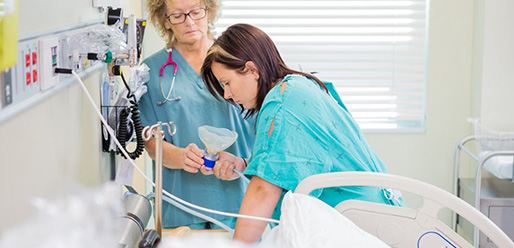
- You receive an anaesthetic - spinal or epidural - to stay awake without feeling the operation, or sometimes a general anaesthetic.
- The surgeon makes a cut in your abdomen and then through the uterus, just above your pubic hair.
- You may feel tugging as the baby is lifted out by hand or with forceps.
- The umbilical cord is cut and clamped, and the baby is given to you (unless under general anaesthetic).
- The placenta and membranes come out, and the doctor stitches you up.
- Delivery takes about 10 minutes; stitching takes about 30 minutes.
- You may feel tired for a few days with some pain, especially from wind. Laughing or coughing may be uncomfortable. Pain relief safe for breastfeeding will be offered.
Recovery After a Caesarean Section
In the first days, expect tiredness and an extra day or two in hospital compared to vaginal birth. Here is what to anticipate:
- Discomfort from trapped wind in your tummy.
- Tenderness on your tummy where it has been stitched.
- Laughing or coughing may be uncomfortable - you will be shown how to support your scar.
- You may need help positioning your baby for feeding across your body, at your side, or lying down.
- A small drain may be fitted to collect blood, usually removed in a day or so. You may also have an IV drip and a catheter or bedpan initially.
Emotional Impact After a C-Section
Some women feel disappointed after a caesarean birth, especially if it was unexpected. You may feel you have missed out on something. Talk about these feelings with your partner and with other mothers who have had C-sections. If you do not know why you had a caesarean, ask your doctor - understanding the reason helps you feel more positive about the experience. In time, you may accept that things did not go as planned.