How to Effectively Deal With Childbirth and Labour Pains
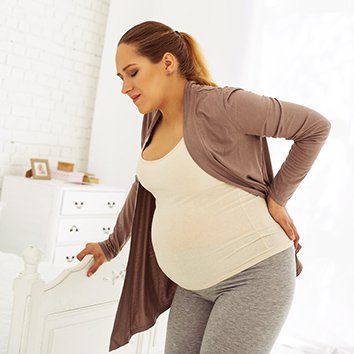
One of the most daunting aspects of pregnancy is the fear of delivery. Labour pains involve complex processes - from uterine contractions to pressure from the baby on the cervix. No two people experience the same kind of pain, but understanding your options and preparing yourself can make childbirth a more manageable experience. Think of labour pain as contractions that come and go like waves - just as one gets too much to handle, it passes.
Preparing Yourself for Delivery
Preparation begins as soon as you find out you are pregnant. Research shows that women who practised endurance training exercises like yoga or Lamaze had quicker, easier childbirths.
- Yoga: Works wonders for breathing and strength building. Essential if considering a drug-free approach.
- Lamaze: Changes how you view childbirth as a natural, normal process. Teaches deep breathing, muscle relaxation, massage, and distraction techniques that provide a positive delivery outlook.
- Mental preparation: Once you have trained your mind, your body will follow. Anxiety can ruin confidence, so Lamaze classes are recommended.
- Consult your doctor on exercise intensity - overdoing it could be harmful.
What Labour Pains Feel Like:
- Cramping pain from the abdomen indicates contractions are starting - some describe them as intense period pains or diarrhoea-like pain.
- Cramping can occur in your lower back, abdomen, groin, and sides of thighs.
- Immense pressure on bladder and bowels as the baby's head pushes into the vaginal canal.
- You may not be able to control your bowels during labour - this is completely normal and nothing to be ashamed of.
- Anxiety and nervousness are normal - keep something that calms you nearby at all times.
Pain Relief Options During Labour
Pain management during labour comes in both medical and non-medical forms. Keep an open mind about every resource available to take the pressure off.
Medical Pain Relief Options
| Method | How It Works | Onset Time | Side Effects |
| Epidural | Medicine injected into lower back; relieves pain while keeping you alert | 15-20 minutes | Difficulty controlling urination, lowered blood pressure, post-delivery headaches, fever |
| Spinal Block | Injection into lower back; most common in caesarean births | Minutes | Similar to epidural; lasts a few hours |
| Combined Epidural-Spinal (CSE) | Lower medicine dosage than epidural; allows small-distance walking | Minutes | Same as epidural |
| Tranquillisers | Help calm the mother down during high anxiety; used with other pain relief | Varies | Does not relieve much pain directly |
Medications fall into two types: anaesthetics (numb pain and sensation) and analgesics (reduce pain while you still feel things). Regional anaesthetics target specific areas under strain during childbirth.
Non-Medical Pain Relief Options
- Physical exercise: Yoga, Lamaze, and staying active daily has a huge impact on your delivery experience.
- Support system: Never underestimate support from loved ones. You deserve every bit of help during this life-changing experience.
- Mental health check-ins: Discuss your mental health regularly. Untreated anxiety is not good for you or your little one.
- Hot and cold compresses: Massages and compresses help ensure blood circulation and relieve pain.
- Deep breathing: Practice daily - some women have gotten through the most painful contractions through deep breathing alone.
- Distractions: Music, movies, reading books, watercolours, and being around friends and family help take your mind off labour.
Important Things to Remember
- No two pregnancies are the same - what worked for someone else might not work for you.
- Always keep your options open for medical pain relief. Insisting on a natural birth can create a mental block - help is there if you need it.
- Be informed of every step of the labour and delivery process. Let the doctor explain what is happening at every stage to minimise anxiety.