6 Essential Diet and Lifestyle Tips Before Getting Pregnant
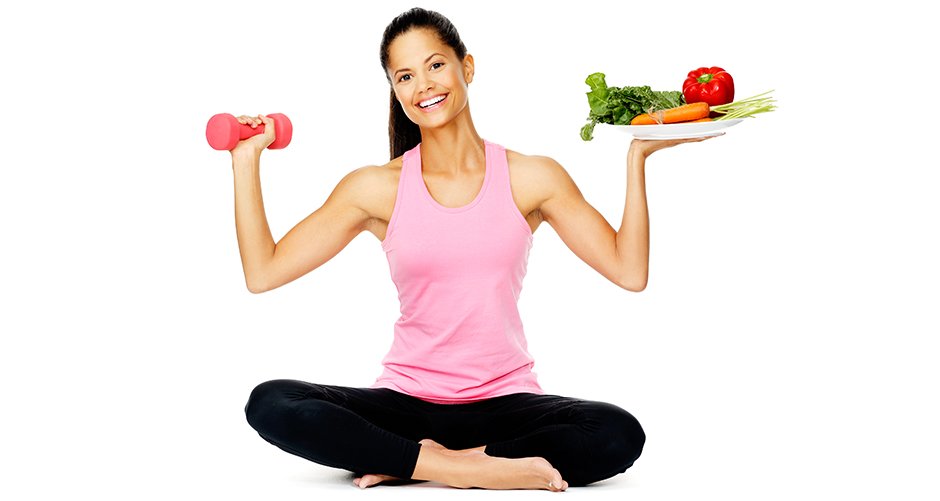
Maintaining a healthy diet and lifestyle before trying to get pregnant is critical for both your well-being and your future baby's growth and development. A well-planned approach to nutrition and fitness can significantly improve your chances of a healthy conception and pregnancy. Here are 6 essential things every prospective parent should keep in mind.
6 Key Diet and Lifestyle Tips Before Pregnancy
- Switch to a balanced diet - An extremely essential factor to keep you as a prospective parent ready for pregnancy. Make sure your meals include enough fibres in the form of fruits and vegetables. Increase the consumption of leafy vegetables and cereals for a healthy dose of folic acid. Get some fish into your diet; after all, omega 3 fatty acids are equally essential for the brain development of your future baby.
- Increase intake of calcium - During pregnancy, you need more calcium to maintain your own calcium stores as well as for the development of your baby's bones and teeth. Your calcium requirement during pregnancy is 1000 mg a day, which can be met through consuming 2-4 servings of milk and alternatives a day.
- Get into a workout routine - Your body is going to go through tremendous changes. Physically, one needs to be prepared. Incorporate stretches and cardio workouts to get your blood flowing. A fit body is bound to make the whole pregnancy a lot more comfortable, with minimal side effects and troubles.
- Avoid alcohol and smoking - One may not be excessively consuming alcohol but it's a good idea to take a break if you're trying to conceive. This applies to both sexes. Vices like these (especially smoking) should become a thing of the past. Your future baby deserves a healthy set of parents. Make it happen.
- Get your medical check-ups in place - Try to plan a visit to your general practitioner before you start trying for a baby. Knowing your medical history, doing some simple tests and identifying some precautions that you in particular may need to take, can make your pregnancy planning much smoother.
- Avoid gaining excessive weight - Mothers should not gain excessive weight during pregnancy. During pregnancy, an additional 300 calories per day is required.
Recommended Daily Food Servings Before and During Pregnancy
| Food Group | Recommended Servings | Examples (1 Serving) |
| Rice and alternatives | 6-7 servings | 1 medium bowl rice/noodles, 2 slices bread, 3 pieces chapati, 1 medium potato, 1 cup oats/cereal |
| Fruits | 2 servings | 1 wedge papaya/honeydew, 1 small apple/pear/orange |
| Vegetables | 2 servings (include 1 green leafy vegetable daily) | 3/4 mug (100 g) cooked vegetables |
| Protein | 2 servings | 1 medium drumstick, 100 g lean meat/fish, 1 egg = 1/3 serving, 3/4 cup cooked beans/lentils, 2 small squares bean curd |
| Milk and alternatives | 2-4 servings | 1 cup milk or high-calcium soybean milk, 2 slices cheese, 1 small tub yoghurt |
Note on protein: Limit egg yolks to 4 a week if you have high cholesterol levels. Choose low-fat or non-fat dairy products.
Managing Weight Gain During Pregnancy
During pregnancy, an additional 300 calories per day is required. You can obtain the additional 300 calories from any one of the following:
- 2 slices of bread with cheese and margarine.
- 1/2 extra bowl of rice for lunch and dinner.
It is not necessary to calculate your calorie intake per day. Use your weight gain as a guide. Pregnant women should aim for an average of 0.45 kg a week during the 2nd trimester and 3rd trimester for a total weight gain of 11-15 kg. However, if you were overweight before your pregnancy, you should only gain 6-9 kg.
| Pre-Pregnancy Weight | Recommended Total Weight Gain | Weekly Gain (2nd & 3rd Trimester) |
| Normal weight | 11-15 kg | 0.45 kg per week |
| Overweight | 6-9 kg | As advised by doctor |