Getting Pregnant
Ovulation Days and Cycles: Complete Guide to Getting Pregnant
Understand your ovulation days and menstrual cycles to maximise chances of getting pregnant. Learn what happens during ovulation, how to track it, and the best time for conception.
If you are planning to get pregnant, identifying the ovulation day in your cycle is essential. Your chances of conceiving are much higher when you have sex in the days leading up to that critical ovulation day. Unfortunately, by the time you know it is ovulation day, it is often too late - in as little as 12 hours, the egg will leave the body unless it has been successfully fertilised.
What Happens During Ovulation Days
Ovulation days are a critical point in the menstrual cycle. The timing is controlled by hormones that trigger a precise sequence of events:
- After menstruation, oestrogen levels start to rise, causing the uterine lining to thicken and cervical mucus to become thinner and more receptive to sperm.
- At a certain level, oestrogen triggers the release of gonadotrophin hormones, which collectively cause ovulation to occur and an egg to be released into the fallopian tube.
- These hormones also increase sexual desire in women before ovulation and cause a rise in resting body temperature shortly after ovulation.
- The egg lives for around 12-24 hours and unless it meets a sperm in the fallopian tube, it will leave the body.
How to Identify Your Ovulation Day
- The standard response is that ovulation occurs on Day 14 of a 28-day cycle (Day 1 being the first day of menstruation).
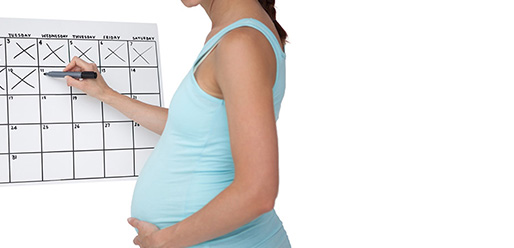
- Most women vary from the average cycle, making it important to chart your menstrual cycle for a few months to identify a pattern.
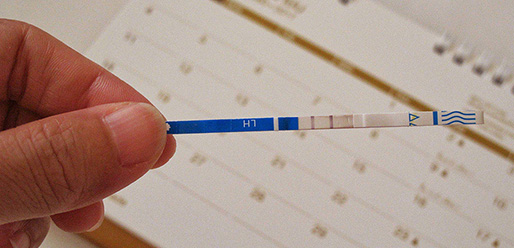
- The most effective methods combine tracking symptoms of ovulation, basal body temperature, and cervical mucus composition.
- A pattern should emerge after a couple of months, though ovulation can be affected by stress, illness, physical activity, and diet changes.
Why Contraceptives Affect Ovulation Tracking
- You cannot chart your menstrual cycle while taking birth control pills or any hormonal contraception - you will not be able to identify ovulation.
- Synthetic hormones override your body's usual hormonal rhythm and prevent ovulation while you take these drugs.
- The main contraceptives that affect ovulation include all contraceptive pills and injected contraceptives.
- Mechanical contraceptives (condoms, non-hormone IUDs, diaphragms) can still be used safely while you track your ovulation cycle.
Why Predicting Your Ovulation Day Matters
| Fertility Factor | Duration |
| Most fertile period starts | About 5 days before ovulation |
| Fertile period ends | 12-48 hours after ovulation |
| Sperm survival in body | 4-5 days after ejaculation |
| Egg survival after release | 12-48 hours |
By understanding your cycle and recognising the signs your body exhibits before ovulation, you can have intercourse during your most fertile period to maximise your chances of getting pregnant.
Best Time to Have Sex for Conception
- Despite all the science around fertility and conception, there is still much we do not know, and every woman's body behaves differently.
- Because many factors affect ovulation and it is hard to identify the exact day until it is almost too late, the most effective strategy is to have sex regularly - at least every 2 days throughout your cycle.
- Your chances of falling pregnant are much greater if you have sex before the ovulation day rather than on it or later, because by the time sperm swim to the egg, you may have missed your window.
Kimberly-Clark India makes no warranties or representations regarding the completeness or accuracy of the information. This information should be used only as a guide and should not be relied upon as a substitute for professional medical or other health professional advice.
FAQs on 42 Everything You Need To Know About Your Ovulation Days And Cycles
During ovulation, rising oestrogen levels trigger the release of gonadotrophin hormones, causing an egg to be released from the ovary into the fallopian tube. The uterine lining thickens, cervical mucus becomes thinner, and sexual desire increases. The egg lives for only 12-24 hours.
Chart your menstrual cycle for a few months to identify a pattern. The most effective methods combine tracking ovulation symptoms, basal body temperature, and cervical mucus composition. Standard ovulation occurs on Day 14 of a 28-day cycle, but most women vary from the average.
Have sex before the ovulation day rather than on it or later for the best chances of getting pregnant. Your most fertile period starts about 5 days before ovulation and ends 12-48 hours after. The most effective strategy is regular sex at least every 2 days throughout your cycle.
An egg lives for around 12-24 hours after ovulation, and up to 48 hours at most. Unless it meets a sperm in the fallopian tube during this window, it will leave the body. This is why timing intercourse before ovulation is more effective than on the day itself.
No, you cannot chart your menstrual cycle or identify ovulation while taking birth control pills or any hormonal contraception. Synthetic hormones override your body's usual rhythm and prevent ovulation. However, mechanical contraceptives like condoms or non-hormone IUDs can be used while tracking.
Sperm can live in your body for 4-5 days after ejaculation. This is why having sex in the days before ovulation is effective for conception. The fertile window starts about 5 days before ovulation and ends 12-48 hours after the egg is released.
Ovulation can be affected by stress, illness, physical activity, and changes in diet. These factors can make ovulation unpredictable and shift your fertile window. Charting your cycle for several months helps identify your personal pattern despite these variations.
Day 14 assumes a standard 28-day cycle, but most women vary from this average. Your actual ovulation day depends on your individual cycle length and can be affected by stress, illness, and lifestyle factors. Chart your cycle for a few months to identify your specific pattern.