Back Pain in Pregnancy: Causes, Relief and Prevention Tips
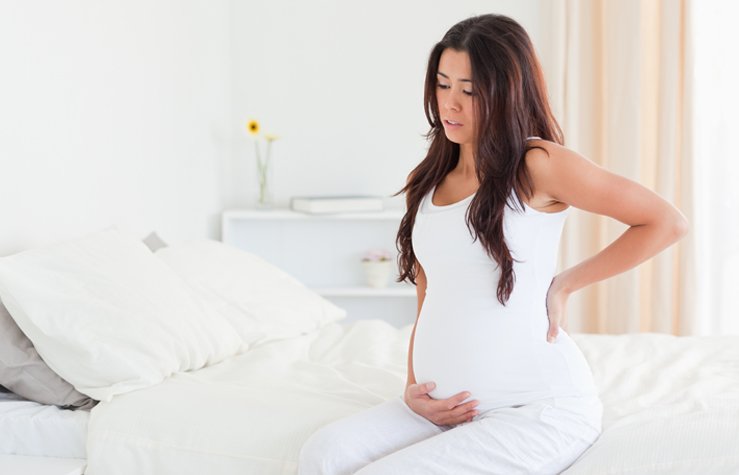
It is no surprise that most women experience some degree of back pain during pregnancy. However, it does not have to be simply tolerated. Lower back pain in pregnancy can affect your enjoyment of being pregnant and daily activities. The most commonly affected area is the lower back, particularly just above the sacrum. Around 50-80% of pregnant women experience some degree of lower back pain, and it can persist after childbirth for some women.
What Does Lower Back Pain in Pregnancy Feel Like?
Lower back pain is often described as tightness or tenderness in the muscles and tendons supporting the lower back, radiating with movement. It often restricts bending forward. Pregnancy increases the risk because of changes in the mother's centre of gravity - to avoid falling forward, she compensates by leaning backwards, straining the lower back. Pain often worsens in later stages due to baby weight, increased hormone levels, and general weight gain.
Why Is Back Pain So Common During Pregnancy?
Pregnancy hormones, particularly Relaxin, loosen pelvic bones, joints, and tissues to make childbirth easier. This means muscles and tendons of the lower back are not as strong and supportive as usual.
Key Contributing Factors
- Centre of gravity shift: The growing belly causes the mother to tilt forward, straining the lower back.
- Overall weight gain: Additional pregnancy weight adds stress to the spine and back muscles.
- Stress and tension: Increased stress hormones keep muscles permanently tight, creating fatigue and further tension over time.
How to Ease Back Pain During Pregnancy
First, check with your maternity care provider to rule out any underlying cause. Here are proven strategies to manage pregnancy back pain:
- Control weight gain: Check your BMI with your provider and aim not to gain more than around 10-12 kgs through your entire pregnancy.
- Maintain good posture: Adopt a tall, erect posture when standing, walking, and sitting. Imagine a torch beam shining ahead from your chest.
- Relax your shoulders: Hold shoulders back but relaxed. A good supportive bra helps.
- Avoid prolonged standing: Do not lock your knees. Keep feet apart for a wider base.
- Use a supportive chair: Ensure your computer chair evenly distributes weight. Get up every 30 minutes.
- Use a foot stool: Support your feet when sitting at your computer.
- Exercise regularly: Walking, swimming, yoga, and aqua-aerobics are excellent. Maintain an exercise programme throughout your pregnancy.
- Avoid heavy lifting: Do not bend forward and twist. Squat down using leg muscles instead.
- Wear support garments: Pregnancy girdles, recovery shorts, or belly bands can support the baby's weight and improve posture.
- Choose low-heeled shoes: Avoid high heels that tilt the pelvis forward. Shoes with good arch support are ideal.
- Apply heat or ice packs: These can relieve spinal tension. Check with your provider first.
- Take warm baths: Showers with a massaging head can also be useful.
- Sleep on your side: Avoid lying flat on your back. Bend your knees and use a pregnancy support pillow. Left side is best for circulation.
- Avoid overhead reaching: Use a stable footstool instead of stretching up high.
- Try pregnancy massage: Investigate targeted physiotherapy and stretching through a specialist obstetric physiotherapist.
- Rest and sleep: When sleeping, your body recovers and replenishes energy stores. Use relaxation techniques.
- Check your mattress: If sagging, place a firm board between mattress and bed frame, or get a new one.
- Pain medication: Occasionally necessary but always check with your maternity care provider for pregnancy-safe options.
When to Be Concerned About Pregnancy Back Pain
Seek medical advice if you experience any of the following:
- Back pain continues despite trying multiple relief strategies.
- Increasing levels of pain causing distress.
- Other symptoms such as elevated temperature, vaginal bleeding, or feeling you may be in early labour.
- Burning or scalding sensation when passing urine.
- Regular need for pain medication that is not easing the pain.
- Any concern whatsoever about your back pain.
Reference: Hold it Mama - The Pelvic Floor & Core Handbook for Pregnancy Birth & Beyond by Mary O'Dwyer, RedSok Publishing.