Follicular Phase: Understanding Your Ovulation Cycle
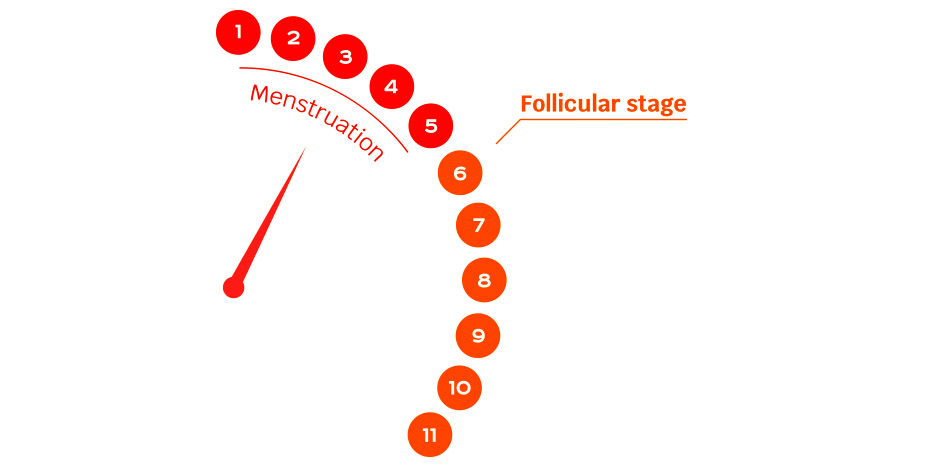
The follicular phase is the time from day 1 of your period until the day you ovulate. On average, this lasts around 13-14 days in women with 28-day menstrual cycles. Even before your period ends, your body is already preparing to release another egg in approximately 9 days. Understanding this phase is essential for anyone planning to conceive.
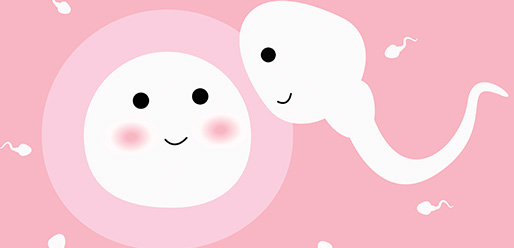
During the follicular phase, multiple follicles in your ovaries are primed and nurtured towards maturity. At this early stage, it is unclear which will become the dominant follicle. As follicle-stimulating hormone levels decrease, only one follicle continues to complete maturity. By around day 9-10 of your cycle, this follicle matures into an egg while the others are reabsorbed. Meanwhile, the endometrium (uterine lining) thickens with blood and fluids to nourish a potential fertilised egg.
How Your Body Prepares for Ovulation
A baby girl is born with around 1 million ovarian follicles, each containing a single immature egg. This is her lifetime supply - unlike men who produce sperm continuously.
| Stage | Follicle Count |
| At birth | ~1 million ovarian follicles |
| By puberty | Majority reabsorbed by the body |
| When periods begin | ~400 follicles remain |
This lifetime quota of follicles is nature's way of maximising the number of times conception could potentially occur. However, similar to a woman's eggs, the quality of sperm and chances of becoming pregnant are reduced by advancing age.
Hormones That Drive the Follicular Phase
During the follicular phase, follicle-stimulating hormone (FSH) is secreted by the pituitary gland - a tiny, pea-sized powerhouse at the base of your brain that secretes around 8 hormones regulating a wide range of body systems.
- Oestrogen, progesterone, and luteinising hormone are all fairly low at the start but oestrogen begins to rise around day 10.
- Oestrogen is produced from ovarian follicles and feeds back information to the pituitary gland to produce luteinising hormone.
- The follicular phase ends when luteinising hormone peaks and the egg is released from the ovary.
Planning to Conceive During the Follicular Phase
Contrary to popular belief, conception is not a simple process. Many couples need to invest time thinking about when to have intercourse, timing it to coincide with the days around when the woman is likely to be ovulating. Understanding the science behind the follicular phase helps maximise your chances.
Physical Signs Before Ovulation
Just before ovulation occurs, the follicle containing the maturing egg pushes towards the surface of the ovary, appearing like a small nodule or cyst. This can cause localised discomfort for some women who, over years of ovulation each month, become very sensitive to their body's signals.
Best Time to Conceive
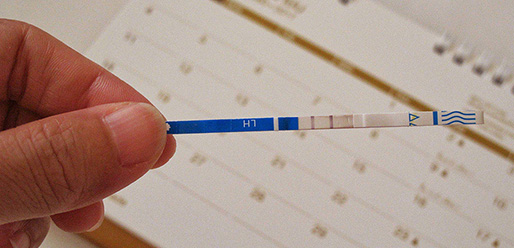
If you are keen to conceive, do not wait until after you have ovulated to begin trying. The fertile window spans approximately 5 days before actual ovulation and up to 1 day afterwards. Sperm can remain viable for up to 5 days after ejaculation inside a woman, allowing them to wait for the egg to be released.