Step-by-Step Guide to Changing Your Baby's Diaper Safely
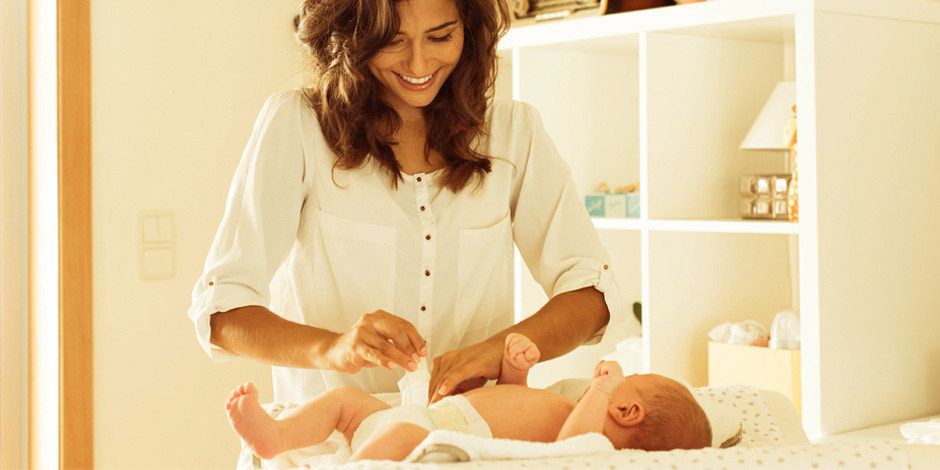
Choosing a safe place to change your baby's diaper is essential. Even when belted onto the changing table, babies can squirm right off, so always keep a hand on your baby. Consider putting a stim-mobile above the changing table to keep your little one occupied during diaper changing time.
Have a changing pad and everything you need in an area on the carpet, so you do not have to worry about your baby's acrobatics. Before you change the diaper, have everything handy and in a safe place out of baby's reach.
Diaper Changing Supplies Checklist
- Clean diapers (a few extra in case a tab rips off or it gets dirty immediately)
- Diaper wipes
- Diaper disposal unit (diaper pail, diaper genie, trash can, or bag)
- Diaper cream (optional)
Powdering is not advised since most baby powders contain cornstarch, which can act as food for bacteria that cause yeast infections. Powder also gets everywhere and you do not want your baby to breathe it in.
How to Change a Baby's Diaper: Step-by-Step
- Step 1: Ensure your hands are clean before starting.
- Step 2: If changing in a store or car, place a cloth under your baby for protection.
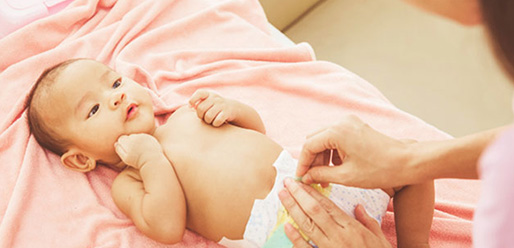
- Step 3: Tear the Diaper from sides or unfasten….
- Step 4: Check the contents and keep extra wipes ready if it is especially messy.
- Step 5: For bowel movements, use the front of the diaper to pull mess towards the bottom, then fold the front over the back.
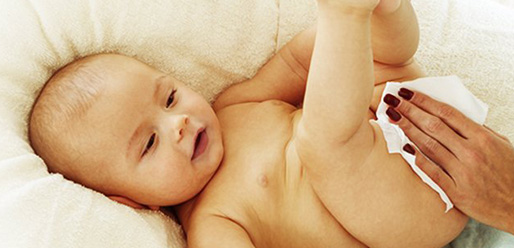
- Step 6: Cleanse the entire diaper area, cleaning all folds. Always wipe girls front to back to avoid UTIs and infections. For baby boys, keep a diaper or cloth over the penis as cooler air can trigger urination.
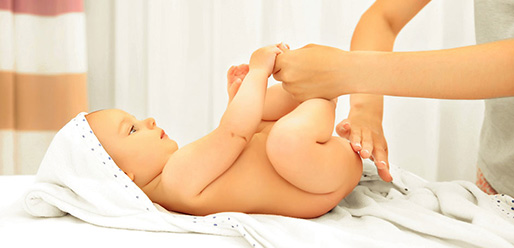
- Step 7: Hold your baby gently near the ankles with one hand and lift to clean the bottom.
- Step 8: Apply ointment if necessary and check for redness or chafing from diaper tabs.
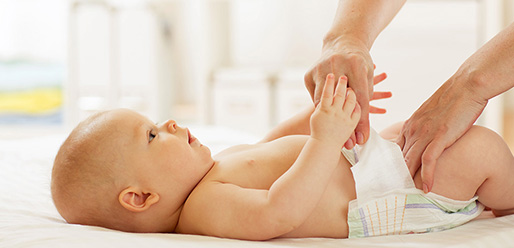
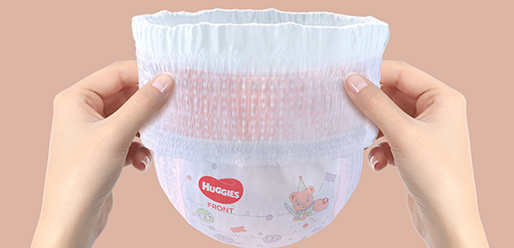
- Step 9:For Tapes: Slip the new diaper under the baby's bottom by gently holding the ankles with one hand. The back of the diaper (with tabs) should go underneath. For Pants: Pull the diaper up from the legs.
- Step 10: Fasten tabs to the front strip. Ensure it is not too tight and tabs do not contact the baby's skin. For cloth diapers, use safety pins with your fingers between diaper and baby.
- Step 11: Check that the diaper fully covers the behind and is not too tight on legs or stomach. Ensure edges are not tucked under.
- Step 12: Dispose of the dirty diaper and wash your hands.
Now you are ready to get your little one dressed!