Diaper tips
Diaper Disposal: Effective and Eco-Friendly Tips for Parents
Learn proper diaper disposal techniques at home, outdoors and while travelling. Eco-friendly and hygienic tips every parent should follow for safe disposal.
About: Diaper Disposal: Effective and Eco-Friendly Tips for Parents
Whether you are at home or on the road, disposing of your baby's soiled diapers properly is essential for hygiene and the environment. Following the right steps reduces odour, prevents bacteria growth, and keeps things clean. Here are effective and eco-friendly pointers to dispose of diapers safely in every situation.
Diaper Disposal Tips for Every Situation
- Dump solids first: If possible, dump any feces from the diaper into a toilet before disposal. This helps reduce odour and bacteria growth and makes it easier to dispose of without making a mess.
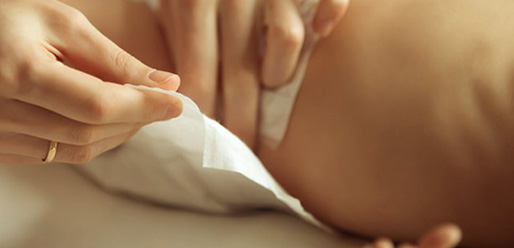
- Wrap tightly: Wrap the used diaper as tightly as possible to reduce the risk of spillage. Use the sticky tape sections to help keep it wrapped up securely.
- Carry old newspapers when out: Bring a supply of old newspapers so you can discreetly get rid of dirty diapers. Dump any solid matter into a toilet first, wrap the diaper tightly in the newspaper, and throw it away. Use baking soda in your home trash bin to curb odour.
- Never dispose in the wilderness: If travelling in remote areas with no civilisation around, carry soiled diapers with you until you find a suitable garbage can. Do not throw away disposable diapers in the wilderness as they will pollute the environment.
- Disposal on a plane: Use the airsick bag to store the diaper . Be aware that the FDA prohibits airline staff from handling soiled diapers when serving food, so you may have to wait or dispose of it yourself.
| Location | Disposal Method | Key Tip |
| At Home | Dump solids in toilet, wrap tightly, place in trash | Use baking soda in trash bin to control odour |
| Outdoors | Wrap in old newspaper, find a proper trash can | Always dump solids in toilet first |
| Remote Areas | Carry with you until proper disposal is available | Never throw diapers in the wilderness |
| On a Plane | Use airsick bag for storage | Airline staff cannot handle soiled diapers during food service |
Always wash your hands thoroughly after handling a used diaper. Your sanitary habits are of key importance when dealing with a baby, as their immune system is not as strong as yours. Taking extra care ensures the wellbeing of your beloved child.
Kimberly-Clark India makes no warranties or representations regarding the completeness or accuracy of the information. This information should be used only as a guide and should not be relied upon as a substitute for professional medical or other health professional advice.
FAQs on Everything You Need To Know About Diaper Disposal
Dump any feces from the diaper into a toilet first to reduce odour and bacteria growth. Then wrap the used diaper as tightly as possible using the sticky tape sections. Place it in the trash and use baking soda in your bin to curb the odour and keep it smelling fresh.
No, never throw disposable diapers in the wilderness as they will pollute the environment. If travelling in remote areas, carry the soiled diapers with you until you find a suitable garbage can or trash receptacle, even if it means carrying them for the whole trip.
Use the airsick bag to store the soiled diaper on a plane. Be aware that the FDA prohibits airline staff from handling soiled diapers while serving food, so you may need to wait or dispose of it yourself when staff are available.
Dumping feces from the diaper into a toilet first helps reduce odour and bacteria growth. It also makes the diaper easier to dispose of without making a mess. This simple step significantly improves hygiene regardless of where you are disposing the diaper.
Yes, always wash your hands thoroughly after handling a used diaper. Your sanitary habits are of key importance when dealing with a baby because their immune system is not as strong as yours. Taking extra care ensures the wellbeing of your child.