Diaper tips
Diaper Rash: Triggers, Prevention Tips and Treatment Guide
Understand diaper rash triggers, prevention using the ABCDE method, and treatment tips. A complete guide to keeping your baby's delicate skin healthy.
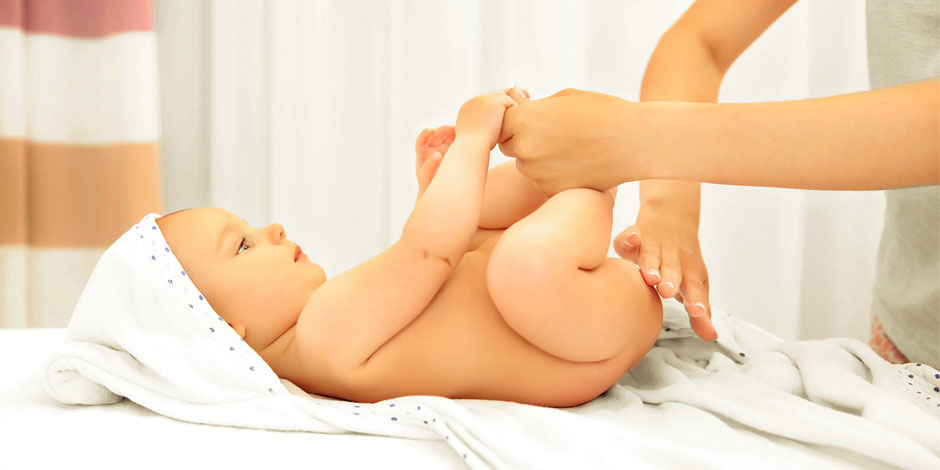
When you are a new parent, discovering a red, angry, painful irritation on your baby's tender bottom can be distressing. Diaper rash is a common condition that usually clears up with simple diapering routines. Understanding the triggers and following proven prevention methods will help keep your baby comfortable and happy.
What Triggers Diaper Rash in Babies
Sometimes diaper rash inevitably occurs. Common triggers include:
- Age and diet changes: Diaper rash is common between ages 9-12 months, when baby is primarily sitting and eating solid foods that may change bowel movements.
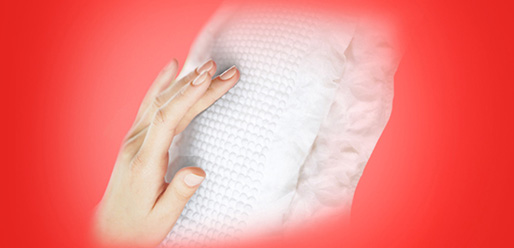
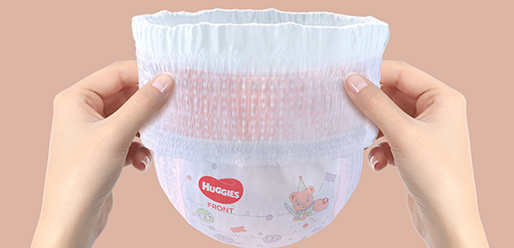
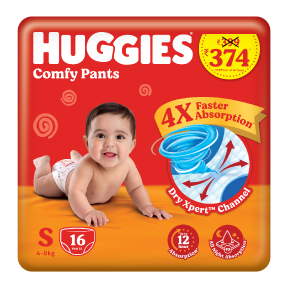
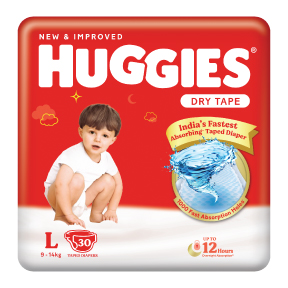
- Contact with urine and stools: It most often develops when prolonged contact with urine and stools irritates baby's sensitive skin. Today's disposable diapers from Huggies wick away moisture to keep diaper rash at bay.
- Allergic reactions: Diaper rash can also be an allergic reaction to diaper wipes, laundry detergent, soap, or other elements.
The ABCDE Method for Preventing Diaper Rash
| Letter | Step | What to Do |
| A | Air | Allow baby's skin to air dry between changes and give regular diaper-free time |
| B | Barrier | Use zinc-oxide diaper cream and petroleum jelly to create a barrier between diaper and skin. Apply at every change for babies who develop rashes frequently |
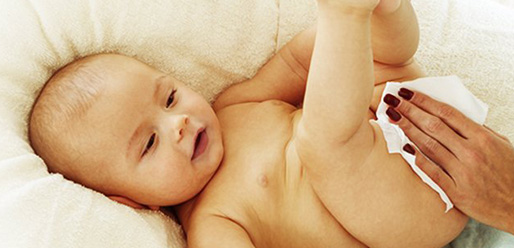
| C | Cleanse | Wipe gently and pat when cleaning - never rub. Irritant-free wipes may be more effective than warm water for cleaning stool |
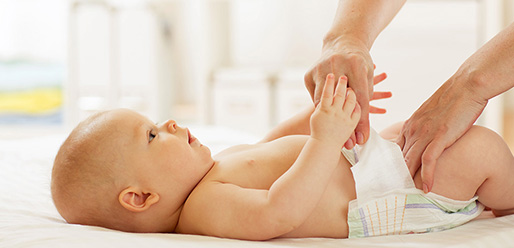
| D | Diaper | Use disposable diapers like Huggies that are recommended by experts to help prevent diaper rash through protective diapering technology |
| E | Education | Notice when and how your baby experiences diaper rash to identify patterns. Consult your paediatrician if rash persists |
Skin Care Tips for Your Baby's Delicate Skin
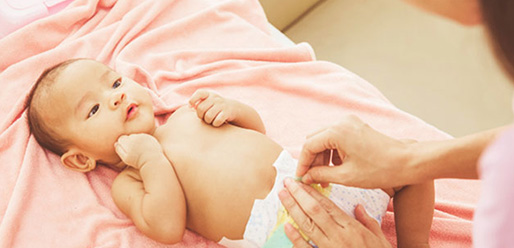
- Always wash your hands before and after every diaper change.
- Change baby's diaper as soon as it is soiled - at least every 1-3 hours during the day and once during the night.
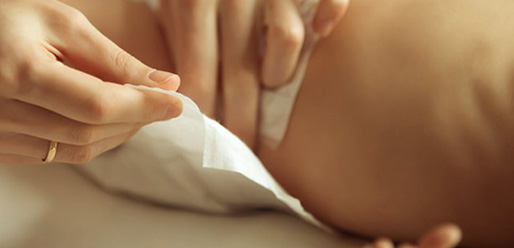
- Gently wipe or pat baby's bottom with warm water and a soft, clean cloth or skin-friendly wipe. Avoid rubbing.
- Always wipe from front to back when cleaning baby's genital area.
- Allow baby's skin to air dry before re-diapering.
- Apply a thick layer of petroleum jelly if baby's bottom appears slightly red. Once a rash develops, apply zinc oxide-based cream with each change until the irritation is gone.
- Avoid using baby or talcum powder, which can irritate baby's skin and lungs.
Remember - diaper rash is seldom serious. With proper care, it usually clears within 3-4 days. If it does not go away within 4-7 days or gets worse, call your baby's healthcare provider.
Kimberly-Clark India makes no warranties or representations regarding the completeness or accuracy of the information. This information should be used only as a guide and should not be relied upon as a substitute for professional medical or other health professional advice.
FAQs on Diaper rashes triggers tips and treatment
Diaper rash is most commonly caused by prolonged contact between urine and stools and baby's sensitive skin. It is especially common between ages 9-12 months when babies eat solid foods that change bowel movements. It can also be an allergic reaction to wipes, laundry detergent, or soap.
The ABCDE method stands for Air (let skin air dry), Barrier (use zinc-oxide cream), Cleanse (wipe gently, never rub), Diaper (use quality disposable diapers), and Education (notice rash patterns and consult your doctor if needed). Following these five steps diligently helps prevent diaper rash.
Change your baby's diaper as soon as it is soiled, at least every 1-3 hours during the day and once during the night. Regular changing prevents prolonged exposure to urine and stool, which is the primary cause of diaper rash in babies.
No, avoid using baby or talcum powder as it can irritate baby's already sore skin and cause lung damage if inhaled. Instead, use zinc oxide-based diaper cream to create a barrier between the diaper and skin, and allow baby's skin to air dry before re-diapering.
Diaper rash usually clears within 3-4 days with proper care. If it does not go away within 4-7 days or gets worse, call your baby's healthcare provider. Applying zinc oxide-based cream at every diaper change and allowing air-dry time between changes can speed up healing.
Gently wipe or pat baby's bottom with warm water and a soft clean cloth or skin-friendly wipe. Never rub the skin. Always wipe from front to back when cleaning baby's genital area. Irritant-free wipes may be more effective than warm water when cleaning stool.
Yes, many experts no longer recommend cloth diapers as they expose baby's skin to irritants like urine and stool. Disposable diapers like Huggies are recommended thanks to protective advances in diapering technology that help wick away moisture and prevent diaper rash.