Music Therapy for Babies: Benefits of Singing to Your Child
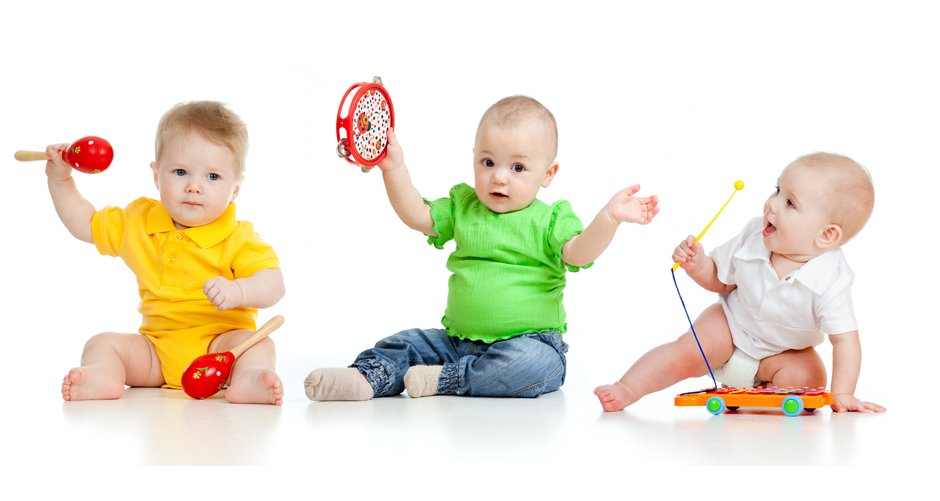
Your little one has the ability to absorb sound, speech, and music from very early on. At about 24 days old, babies can identify slight changes in rhythms and even recognise different family members' voices. A five-month-old baby who has been listening to a certain song daily can recognise its musical composition as soon as they hear it. Understanding how music therapy for babies works helps parents harness this natural ability for their child's development.
Every family has a special melody or song they play to comfort their baby. Walking the floor with your baby in your arms is more enjoyable when you have a pleasant song to keep you going. Music makes baby-soothing less like work and more like pleasure. Researchers have confirmed that babies are highly responsive to music.
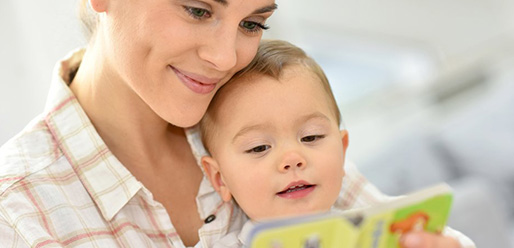
Singing to your baby comes naturally to many people. Even when talking to babies, we alter our speech to make it more musical - more rhythmic, repetitive, and with highlighted pitch contours. This musicality makes the voice more emotionally expressive, and babies respond to it. Singing offers a personal connection over recorded music, strengthening your bond, calming your baby, and boosting development. Lullabies give pleasure and a sense of security while providing the first steps on your baby's long road to learning speech and understanding language.
Key Benefits of Singing to Your Baby
- Vocabulary building: As you sing, you introduce new words into your baby's world. You can use associations - for example, when singing about a bird, hold up a bird stuffed toy or a picture so your baby understands the concept.
- Listening skills: Singing helps your baby begin to understand language and feelings expressed through language and sing-play, simultaneously improving their listening skills.
- Bonding: Singing to your baby strengthens the bond you share. It is a natural way of expressing love and affection to your little one.
- Routine and security: Singing every day during changing, feeding, or bedtime helps babies recognise a routine and know what to expect, giving them extra security.
| Benefit | How It Works | Example |
| Vocabulary | Introduces new words through song lyrics | Hold up a bird toy while singing about birds |
| Listening Skills | Teaches language comprehension through musical patterns | Sing-play activities with expressive tones |
| Bonding | Creates personal connection stronger than recorded music | Lullabies and crooning at bedtime |
| Routine | Helps babies recognise daily patterns | Singing during changing, feeding, or sleep time |
Worried about not being a good singer? Babies are the only completely non-critical audience you will ever have. They love you just the way you are, and many parents discover they can sing without self-consciousness around their babies.