Baby bath
How to Bathe Your Baby Safely: A Step-by-Step Guide
Learn how to bathe your baby safely with this easy guide. From water temperature to cord stump care, make bath time fun and stress-free for you both.
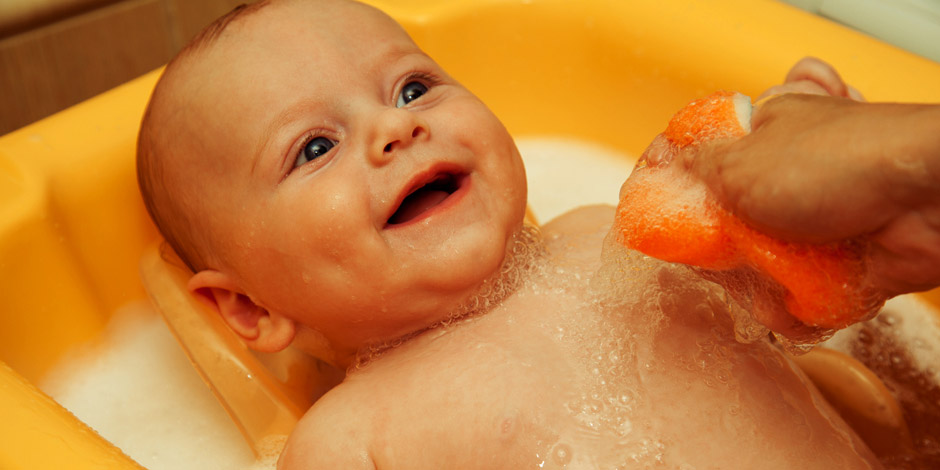
Bathing your baby can become more than just a routine of hygiene - it is a chance to play and spend quality time together. Your baby may take some time to get used to bath time, as getting naked, having water all around, and soapy hands can be distressing initially. However, this phase usually passes quickly. Here is an easy guide to making baby bath time a fun and safe process.
- Skip soap for the first few weeks: Water alone is sufficient for newborns. Bathe your newborn 2-3 times a week during this period.
- Avoid tub baths until the cord stump heals: Do not bathe your newborn in a tub until the umbilical cord stump has fallen away and healed. A sponge bath is ideal until then.
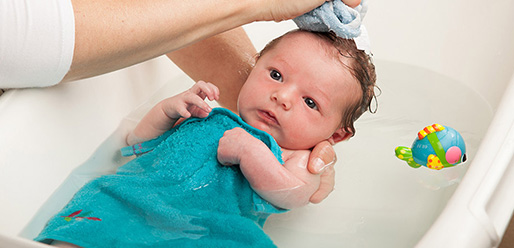
- Keep baby warm during bath: Lay a wet flannel or cloth across your baby's chest to maintain warmth while bathing.
- Make it bonding time: Talk, sing, and play games with your baby so they learn to enjoy bath time as a special moment with you.
- Check water temperature carefully: Always test the water using your wrist, which is more sensitive to heat than the rest of your hand. A bath thermometer can also be used for accuracy.
- Fill cold water first: Add cold water to the bath first, then add hot water. This prevents heating up the bottom of the bath and reduces the risk of burns.
- Hold your baby securely: In a conventional bath, support your baby across the shoulders so their head rests against your forearm. In a sit-in tub, hold your baby under the arms with one arm, leaving the other free for bathing your baby's body all over.
- Massage during bath: Gently massaging your little one while bathing is a lovely way to get to know their bodily reactions and priceless expressions.
| Bath Time Aspect | Recommendation |
| Frequency (newborn) | 2-3 times a week |
| Soap/Shampoo | Not needed for the first few weeks; water is sufficient |
| Bath Type (before cord heals) | Sponge bath only until cord stump falls off and heals |
| Water Temperature | Test with wrist or bath thermometer; fill cold water first, then add hot |
| Holding Technique | Support across shoulders in conventional bath; hold under arms in sit-in tub |
Cleaning Your Baby's Umbilical Cord Stump
Your baby's umbilical cord stump dries and drops off within a week to ten days of birth. You may receive advice from the hospital to clean this area daily, or that excessive cleaning is not necessary. If you notice any redness, discharge, or other signs of infection, consult your doctor for suitable advice immediately.
Kimberly-Clark India makes no warranties or representations regarding the completeness or accuracy of the information. This information should be used only as a guide and should not be relied upon as a substitute for professional medical or other health professional advice.
FAQs on How To Bathe Your Baby
Bathe your newborn 2-3 times a week. For the first few weeks, soap and shampoo are not needed because water alone is sufficient to keep your baby clean. Avoid bathing your newborn in a tub until the umbilical cord stump has fallen away and healed.
Check the water temperature using your wrist, which is more sensitive to heat than the rest of your hand. You can also use a bath thermometer for accuracy. Fill the bath with cold water first and then add hot water to avoid heating up the bottom of the bath and risking burns.
No, avoid bathing your newborn in a tub until the umbilical cord stump has fallen away and healed. Until then, give your baby a sponge bath instead. The cord stump typically dries and drops off within a week to ten days after birth.
In a conventional bath, support your baby across the shoulders so their head rests against your forearm. In a sit-in tub, hold your baby under the arms with one arm, leaving the other free for washing. Always maintain a secure grip throughout the bath.
Talk, sing, and play games with your baby during bath time so they learn to enjoy it as a special bonding moment. Gently massaging your little one while bathing is also a lovely way to get to know their bodily reactions and see their priceless expressions.
The umbilical cord stump dries and drops off within a week to ten days of birth. If you notice redness, discharge, or other signs of infection around the cord stump area, consult your doctor immediately for suitable advice.