Baby Food and Recipes
Foods to Avoid Giving Your Baby Under 12 Months of Age
Learn which foods to avoid giving your baby under 12 months. From honey and caffeine to nuts and low-fat products, keep your child safe and healthy.
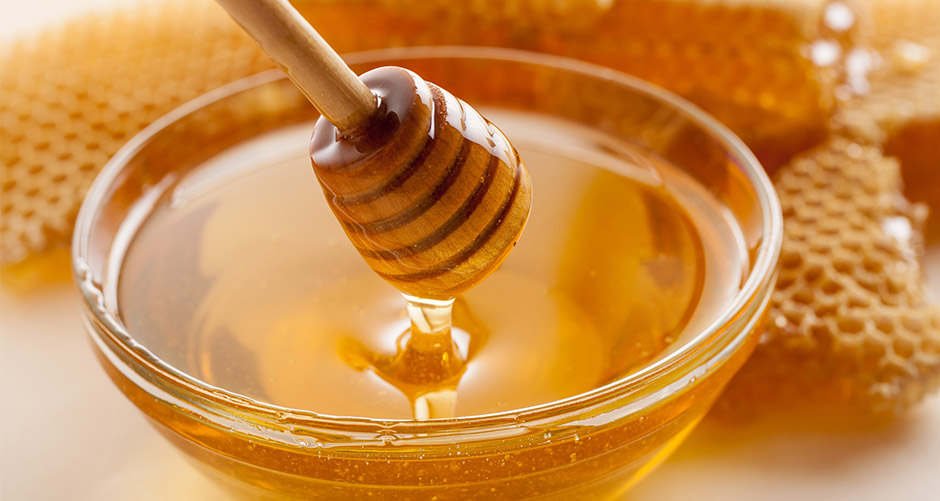
Keeping track of everything new parents should do when it comes to their little one's diet can be confusing. An easier approach is to focus on what you should not be feeding them. Knowing which foods to avoid for babies under 12 months is essential for their safety and healthy development.
Foods to Avoid for Babies Under 12 Months
| Food/Drink | Why to Avoid | Notes |
| Honey | High in simple sugars and spores of potential bacteria | Not safe for children under 12 months |
| Caffeinated beverages (tea, coffee, colas) | Strong drying effect on the body's liquid stores; reduces iron absorption | Avoid all caffeinated drinks |
| Small, hard foods (nuts, seeds, popcorn, whole grapes, whole beans) | Choking hazard | Nut pastes or nut butters are a safer form; avoid peanuts in the first year |
| Spinach | Contains oxalic acid that may pose problems | May be introduced later in the first year |
| Wholegrain products with seeds | Seeds are not suitable for babies | Light wholemeal bread is fine |
| Soy, cow's, goat's, almond, or oat milk | Not suitable as formula substitutes | Can be used for cooking or small drinks from 10 months; fine as drinks after the first year |
| Low-fat or fat-reduced products | Do not provide enough energy for growing children | Not suitable for children under 2 years |
| Added sugar and salt | Harmful additives for young children | Includes breakfast cereals, porridge, and baked goods; always read labels |
| Fruit juices (undiluted) | Risk of tooth decay and diarrhoea, especially apple juice | Only well-diluted juices if necessary |
| Fizzy drinks and soft drinks | High sugar content; some contain artificial sweeteners | No nutritional benefits for your child |
- Honey: Should not be given to children under 12 months due to high simple sugars and spores of potential bacteria.
- Nuts: Whole nuts pose a risk of inhaling and possible allergy. Nut pastes or butters are safer, but avoid introducing peanuts in the first year, and in the first three years if there is a family history of allergy.
- Milk alternatives: Soy, cow's milk, goat's milk, almond milk, or oat milk are not suitable formula substitutes, although they can be used for cooking or small drinks from ten months.
- Low-fat products: Not suitable for children under two years as they do not provide enough energy for a growing child.
- Sugar and salt: Should not be added to any baby food, including breakfast cereals, porridge, and baked goods. Always read labels to check for these additives.
Kimberly-Clark India makes no warranties or representations regarding the completeness or accuracy of the information. This information should be used only as a guide and should not be relied upon as a substitute for professional medical or other health professional advice.
FAQs on Foods You Should Avoid Giving Your Baby
No, honey should not be given to children under 12 months due to high amounts of simple sugars and spores of potential bacteria. It can cause infant botulism, a serious condition. Wait until your baby is at least one year old before introducing honey.
Small, hard foods like nuts, seeds, popcorn, whole grapes, and whole beans are choking hazards for babies. Whole nuts should not be given to infants due to the risk of inhaling. Instead, use nut pastes or nut butters as a safer way to introduce nuts.
No, soy milk, cow's milk, goat's milk, almond milk, or oat milk are not suitable formula substitutes for babies. However, they can be used for cooking or small drinks from ten months. These alternative fluids are fine as drinks after the first year.
No, low-fat or fat-reduced products are not suitable for children under two years of age. They do not provide enough energy for a growing child. Babies need full-fat options to support their rapid growth and brain development.
No, sugar and salt should not be added to food for children. This includes breakfast cereals, porridge, and baked goods. Always read labels carefully to check for these additives, as many commercial products contain hidden sugar and salt.
Fruit juices are not recommended for babies unless well-diluted. They pose a risk of tooth decay and diarrhoea, especially apple juice. Fizzy drinks and soft drinks contain high sugar and some have artificial sweeteners, providing no nutritional benefits.
Avoid introducing peanuts in the first year. If there is a family history of allergy, wait until the first three years. Nut pastes or nut butters are a safer form of introducing nuts to your baby rather than whole nuts, which pose choking and allergy risks.