Baby Food and Recipes
12 Nutritious Tips to Make Your Baby's Meals Right
Discover 12 essential tips for making nutritious baby meals. From breast milk first to food temperature and water intake, feed your baby right from 6 months.
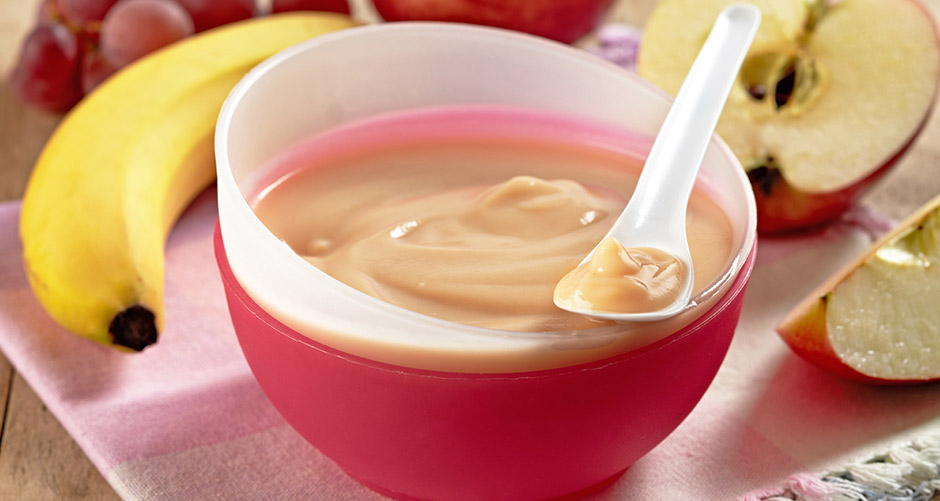
After the 6-month mark, deciding what to feed and how to feed your child can become stressful for every new parent. There is much debate over early childhood nutrition, and opinions differ on certain aspects of a baby's diet. Here are 12 essential tips to create meals that are safe and nutritious for your baby.
12 Essential Tips for Nutritious Baby Meals
- Breast milk first, solids later: Feed your baby solely on breast milk or formula before solids to ensure they receive all vital nutrients and health-giving factors before filling up on solid food. At around nine months, this often reverses and food comes first.
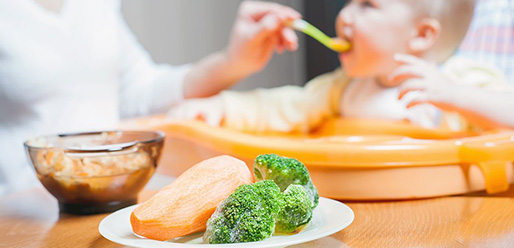
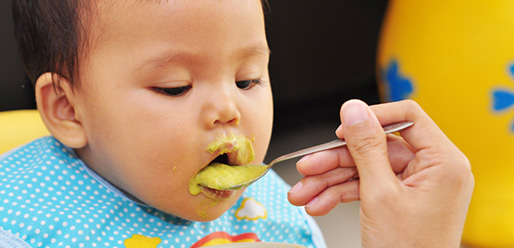
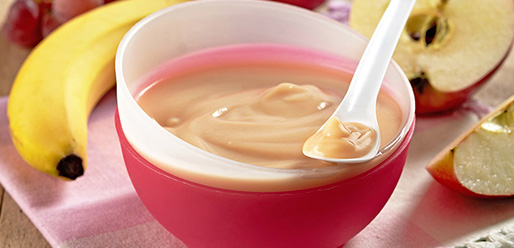
- Liquid to puree to lumps and bumps: The transition from liquid to solid foods can be tricky. Ensure all foods are cooked or pureed into a smooth paste resembling runny yoghurt. Use breast milk or formula to thin the food. Introduce a new food once every 3-5 days to understand your baby's reactions.
- Start as you mean to continue: Your little one may only take a teaspoon at first, so maintain food quality. Always choose food dense in nutrients and free from additives. Be persistent, consistent, and a good role model during meal times.
- Say no to meal breaks: Missing, skipping, or delaying meals can make your baby cranky. A regular flow of nutrients throughout the day ensures your little one has all the energy and building blocks needed for their growing brain and body.
- A good dose of iron: At around six months, the iron content in your baby's body can get low. Most baby cereals are fortified with iron, so invest in the right one. Speak to your doctor about other iron-rich meal options.
- Messy but fun: Make eating a positive and pleasant experience. Let your baby get messy, play with food, touch it, and feel its texture. This keeps meal time exciting. A bib and baby wipes are always handy.
- Take your time: Introduce new foods one at a time over a 3-5 day period. If your baby has a reaction or allergy to a particular food, it becomes easier to determine the culprit.
- Warm, hot, or cold: Room temperature is most babies' preference, though some may prefer slightly warmer food at body temperature. Warm your baby's bowl by placing it in a bowl of hot water. Avoid using a microwave to warm baby food.
- Monitor water consumption: As your baby starts solids, monitor their water intake carefully. Babies' kidneys are not as adept as adults' at handling waste products from food digestion. Offer water at regular intervals and keep sipper cups within easy reach.
- Limit fruit juices: While some fruit juice intake is fine in moderation, excessive intake can lead to gastric upset, loose stools, and interfere with your child's appetite and development.
- Introduce cow's milk after one year: It is best not to introduce cow's milk as a drink until after your baby is at least one, to reduce the risk of allergy or displacement of breast milk, formula, or meals.
- Consider milk alternatives after the first year: Many alternatives are fortified with calcium and offer variety of fluids and nutrients, benefiting children who are lactose intolerant or have allergies.
| Tip | Key Guideline | When to Apply |
| Breast milk first | Feed breast milk/formula before solids | 6-9 months; reverses at around 9 months |
| Food texture | Start with smooth runny puree; progress to lumps | From 6 months onwards |
| Iron intake | Use iron-fortified cereals; consult doctor | From 6 months when iron stores deplete |
| Food temperature | Room temperature or body temperature; no microwave | All meal times |
| Water intake | Offer water at regular intervals | Once solids are introduced |
| Fruit juice | Not before 6 months; not at bedtime; in moderation | After 6 months only |
| Cow's milk | Not as a drink until after 1 year | After the first year |
| Milk alternatives | Soy, almond, oat, rice milk options | After the first year |
Fruit juice guidelines for babies:
- Do not give any fruit juice before six months of age.
- Do not give juice in bottles or vessels that pour easily, allowing a child to drink juice throughout the day.
- Do not give juice at bedtime.
Milk alternatives after the first year include:
- Soy: Many are fortified with calcium; opt for those made from whole soybeans.
- Almond milk: High in essential fats and calcium.
- Oat milk: Low glycaemic index and reputed to be good for the nervous system.
- Rice milk: Can be quite sweet.
Kimberly-Clark India makes no warranties or representations regarding the completeness or accuracy of the information. This information should be used only as a guide and should not be relied upon as a substitute for professional medical or other health professional advice.
FAQs on Tips To Provide The Right Nutrition For Your Baby
Give breast milk or formula first before solids to ensure your baby receives all vital nutrients and health-giving factors before filling up on solid food. At around nine months, this often reverses and food comes first as your baby's appetite for solids grows.
Start with a smooth, liquidy paste resembling runny yoghurt. All foods should be cooked or pureed by hand, blender, or baby food appliance. Use breast milk or formula to thin the food. Introduce a new food once every 3-5 days to understand reactions.
At around six months, the iron content in your baby's body can get low as stores built during pregnancy deplete. A good supply of iron is essential for healthy growth and development. Most baby cereals are fortified with iron, and your doctor can suggest other iron-rich options.
Yes, let your baby get messy and play with food, touch it, and feel its texture. Making eating a positive and pleasant experience helps keep meal time exciting. Most parents reprimand children for making a mess, but embracing it supports healthy food exploration. Keep a bib and wipes handy.
Room temperature is most babies' preference, though some may prefer slightly warmer food at body temperature. Place your baby's bowl into a bowl of hot water to warm it to the desired temperature. Avoid using a microwave to warm baby food.
It is best not to introduce cow's milk as a drink until after your baby is at least one year old. This reduces the risk of allergy or displacement of breast milk, formula, or meals. After the first year, milk alternatives like soy, almond, oat, or rice milk are also options.
Do not give fruit juice before six months of age. After six months, some intake is fine in moderation, but excessive juice can cause gastric upset, loose stools, and interfere with appetite. Never give juice in easy-pour bottles or at bedtime.
Introduce new foods one at a time over a 3-5 day period. This way, if your baby has a reaction or allergy to a particular food, it becomes easier to identify the cause. Maintain the baby's milk source so any reactions can be attributed to the single new food.
Good milk alternatives after the first year include soy milk fortified with calcium (choose whole soybean varieties), almond milk (high in essential fats and calcium), oat milk (low glycaemic index, good for the nervous system), and rice milk (can be quite sweet).