3 Essential Food Principles for a Healthy Baby's Diet
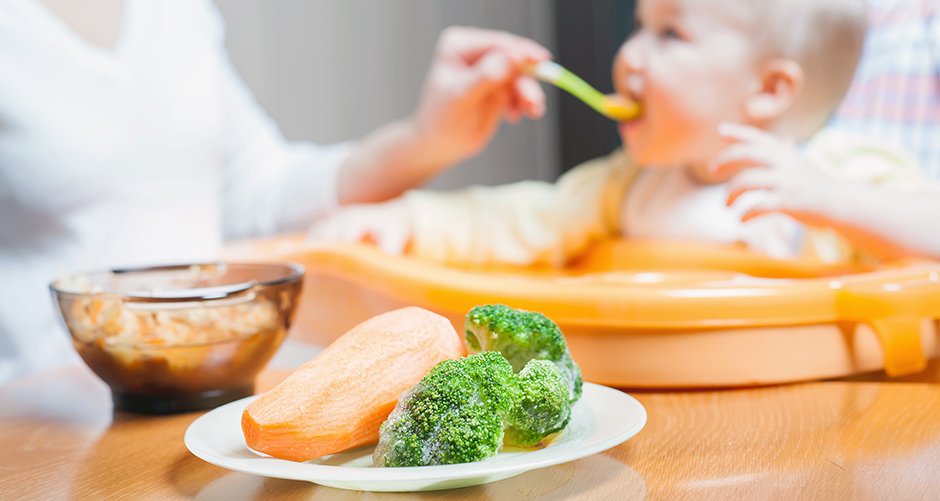
As a new mom, it is comforting to know that for the first 6 months, your baby only needs breast milk or formula. After 6 months, a baby's nutritional needs exceed what milk feeds alone can provide. Experts recommend starting your baby on solid foods at around six months, as their digestive system is still developing. Starting solids too early could have implications for nutrition balance and allergies. Breast milk or formula will still be a considerable part of their diet up to 12 months of age.
The 3 Basic Principles of a Healthy Baby Diet
These three fundamental principles ensure that a diet is nutritionally sound and can be applied to all age groups:
- Variety - Eating different food groups and having variety within each food group
- Wholesomeness - Choosing food that resembles its original, natural state
- Unprocessed food - Limiting reliance on processed and pre-prepared products
Variety: Why a Colourful Diet Matters
Variety in a diet means eating across different food groups and within each food group. By providing your little one with a wide array of foods from the same group, you increase the number of nutrients they consume.
| Food Colour/Type | Examples | Key Nutrients |
| Red fruits and berries | Strawberries, raspberries | Vitamin C |
| Green and yellow vegetables | Spinach, carrots, squash | Vitamin A |
| Wholegrain and brown bread | Wholegrain bread, brown rice | Zinc |
| White meat | Chicken, turkey | Protein and iron |
| Dairy | Milk, yoghurt, cheese | Calcium and riboflavin |
- Select food from a wide variety of sources each day. Diets that exclude one or more food groups are associated with increased risk of many diseases.
- It is not necessary to eat from each food group at every meal.
- By eating a little of all sorts of foods, you dilute exposure to problem food components, potentially reducing negative reactions.
- Always try to introduce new foods and meals to your child throughout their lives.
- Choose foods made from whole products - for example, wholegrain bread contains the goodness of the entire grain.
Wholesomeness: Choosing Natural, Whole Foods
A good diet should rely primarily on food that is wholesome and resembles, as far as possible, its original state. This ensures your diet is rich in important nutrients and limits possible contamination.
- Nature packages food in a certain way for good reason - eating wholesome fruits and vegetables benefits your health and your baby's health.
- Whole foods retain maximum nutritional value compared to highly processed alternatives.
Unprocessed Foods: Less Processing Means More Nutrition
A healthy diet should not rely too much on processed food such as pre-prepared meals, fast food, processed meat like sausages and salami, biscuits, cakes, chocolates, chips, and similar products.
- The less processed a food is, the greater its nutrient content and the fewer preservatives, colours, flavours, and additives it contains.
- However, advanced processing techniques today mean there is an increasing range of frozen and pre-prepared produce that may be quite nutritious.
As long as you follow these 3 simple principles and your baby shows consistent growth and regular bowel habits, you are doing a great job. Your baby's growth and development cannot be limited to what guides say - every child is unique.