When and How to Introduce Solid Foods to Your Baby Safely
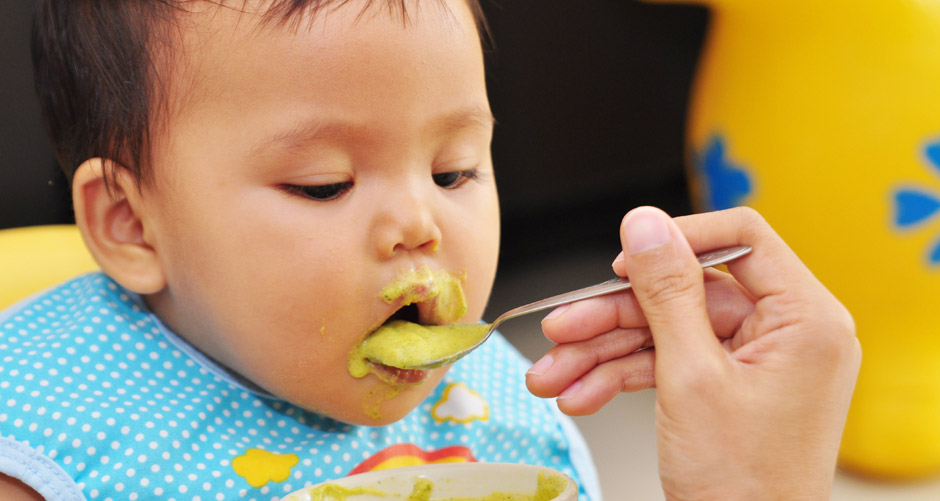
Among the many questions new parents have about infanthood, when to introduce solid foods is one of the most important. It is completely normal to be cautious about what food to introduce and when. Generally, solids can be introduced between 4 and 6 months of age, although most commonly closer to 6 months. Breast milk or formula provides all nutritional requirements during the first 4-6 months. At around 6 months, the iron stores your baby gained in the womb begin to run low, which is one key reason for starting solids at this time.
Introducing Solids: Too Early or Too Late?
Introducing solid foods too early can burden an underdeveloped digestive system, as most babies' digestive systems remain inadequate up to about 6 months of age. Early introduction can also impair maternal milk supply.
- Starting too early increases the risk of food allergies and exposure to bugs that may lead to diarrhoea and other gastric problems.
- Research shows your little one will not benefit from having solids before 6 months.
- Leaving the introduction too late risks undermining your baby's nutritional status. Iron and zinc levels in breast milk decrease as your baby's demand increases.
- Delayed or early introduction can include immune challenges and reduced motor development, including the skill of chewing.
How Much Solid Food Should You Start With?
| Timeline | Quantity |
| First month after introducing solids | Works up to more than 10 ml per day (just over 2 teaspoons) |
| Month and a half after starting | Able to consume more than 100 ml per day |
Babies who start solids at a younger age seem to take longer to reach these amounts. Introducing solids at 6 months appears to shorten the time needed to accept larger quantities of food for babies.
Essential Tips for Starting Solid Foods
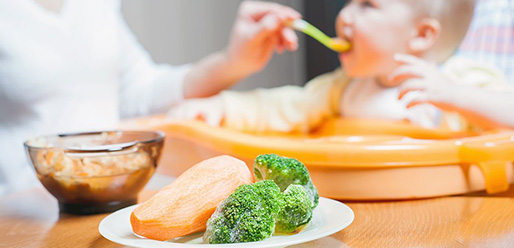
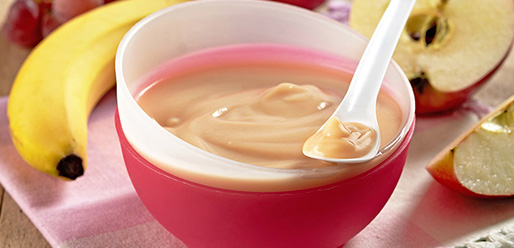
- Start with fine, runny puree: The food should be smooth in consistency when first introduced.
- Introduce one food at a time: Ensure foods do not include salt, sugar, or flavouring of any sort. Maintaining the baby's milk source helps attribute any reactions to the single new food.
- Rotate foods: Give the same meal only once in a 3-5 day period. This reduces the risk of food reaction or allergy, and any reaction may become evident before the end of the day.
- Vary frequently: Once a variety of foods has been introduced successfully, vary them often so your baby gains a balanced diet. Variety at this early stage may help you get through the fussy toddler years.
- Be persistent: Studies show it may take up to 10 opportunities to try a new food before your baby accepts it.
- Try avocado: Its fatty acid makeup is similar to breast milk. Dilute it into a runny paste with breast milk or formula for a starter food your little one may learn to enjoy early on.