How Your Baby's Memory Develops: Key Milestones Explained
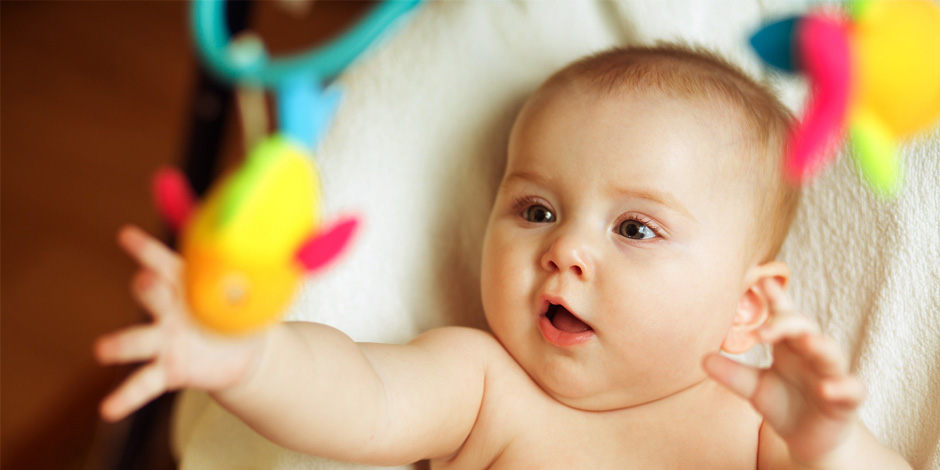
Your heart overflows with happiness when your baby grins on seeing your face, laughs at peek-a-boo games, and stops crying in your arms. How your baby reacts to your actions has everything to do with their memory development. Memory provides the building block for your baby's learning, and research shows the process starts from the sixth month in the mother's womb.
Object Permanence: Memory for Missing Things
One key memory milestone is object permanence - when a baby understands that things continue to exist even when they cannot be seen.
- Before developing object permanence, your baby acts as if things simply are not there when out of view.
- At 7 months, a baby might forget about a toy as soon as you take it away.
- At 9 months, the same baby will look around to find the missing toy, demonstrating object permanence.
Peek-a-Boo: How Games Build Baby Memory
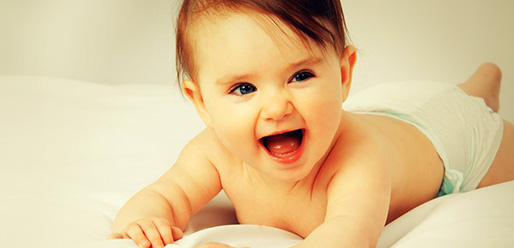
The game peek-a-boo would not be possible without object permanence. A baby laughs and squeals when daddy's face reappears from behind his hands because they are beginning to realise he is still there even when out of sight. Babies who have mastered peek-a-boo have caught onto the concept of object permanence.
How Baby Memory Leads to Anticipation
Increased memory skills lead to anticipation. By about 9 months, babies begin to pick up and remember cues from daily routines:
- When you put on your jacket, your baby probably knows it is time to go "bye-bye."
- Opening the refrigerator may lead your baby to expect being fed.
- These routine-based memories form the foundation for understanding cause and effect.
How Memory Creates Your Baby's Sense of Humour
Because your baby can now anticipate, they notice when things do not happen as expected - and a sense of humour is born. Your baby may break into giggles if you put a mitten on the ear or a cap on the foot. They anticipate the "normal" way and laugh when things are thrown out of whack.
For more information see Baby development or Baby Care.
| Memory Milestone | Typical Age | What It Looks Like |
| Object permanence begins | 7-9 months | Baby looks for missing toy instead of forgetting it |
| Peek-a-boo mastery | 7-9 months | Baby laughs when face reappears; understands people still exist when hidden |
| Anticipation | Around 9 months | Baby recognises routine cues like jacket meaning "bye-bye" |
| Sense of humour | 9+ months | Baby giggles when things happen unexpectedly (mitten on ear) |