bonding with the baby
Benefits of Baby Sign Language: Why Teach Your Baby Signs
Discover the research-backed benefits of baby sign language. From reducing frustration to boosting IQ and brain development, signs empower your baby.
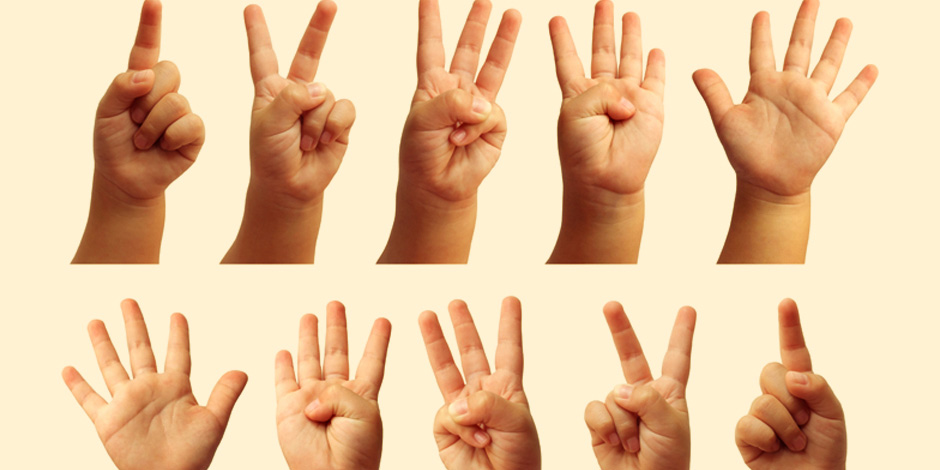
About: Benefits of Baby Sign Language: Why Teach Your Baby Signs
Baby sign language is the practice of using simple gestures to communicate with pre-verbal babies. You may already use some of the basics without realising it. Several studies have highlighted the vast benefits of introducing babies to sign language, from reduced frustration to enhanced brain development.
- Empowers early communication: Sign language enables your baby to communicate before they can speak, initiate conversations about topics that interest them, and bridge the gap between no language and spoken language.
- Reduces frustration: Signing allows your baby to tell you what they want, what is wrong, or what hurts, easing stress, frustration, tantrums, and crying for both you and your baby.
- Strengthens the parent-child bond: Signed communication leads you and your baby towards responding to each other. Daily signing interactions eventually develop into two-way conversations.
- Provides insight into your baby's mind: Baby sign language allows your baby to show you what they are thinking, what interests them, and how the world looks from their perspective - all before they can talk.
- Boosts intellectual development and memory: Children are fascinated with sign language and often pay greater attention when learning involves signs. Research shows that learning a word alongside its sign helps children remember the meaning better.
- Accelerates speech development: Research shows children who use sign language may acquire spoken language faster than non-signing children.
- Enhances confidence and self-esteem: Because babies can communicate their needs, wants, and interests through signing, they become more confident and develop stronger self-expression.
- Stimulates brain development and potentially increases IQ: Research shows signing babies achieve higher scores on future IQ tests. Learning sign language uses both hemispheres of the brain compared to spoken language which uses only the left hemisphere, resulting in more synapses and enhanced brain development.
- Introduces bilingualism: By introducing signs, you introduce your baby to a second language. Brain research suggests language skills are acquired best in the first years of life.
| Benefit | How It Helps |
| Early communication | Bridges gap between no language and spoken language |
| Reduced frustration | Baby can express wants, needs, and pain through signs |
| Parent-child bond | Daily signing interactions create two-way conversations |
| Brain development | Uses both brain hemispheres; builds more synapses |
| IQ boost | Signing babies score higher on future IQ tests |
| Faster speech | Signing children may acquire spoken language faster |
| Bilingualism | Sign language counts as a second language |
Kimberly-Clark India makes no warranties or representations regarding the completeness or accuracy of the information. This information should be used only as a guide and should not be relied upon as a substitute for professional medical or other health professional advice.
FAQs on Research And Benefits Of Baby Sign Language
Baby sign language empowers early communication, reduces frustration for both parent and baby, strengthens the parent-child bond, boosts intellectual development, accelerates speech, enhances confidence, stimulates brain development, and potentially increases IQ. It also introduces bilingualism.
No, research shows the opposite - children who use sign language may acquire spoken language faster than non-signing children. Sign language bridges the gap between no language and spoken language and actually accelerates the speech development process.
Yes, research has shown that signing babies achieve higher scores on future IQ tests than children who learn to speak in the traditional manner. Learning sign language uses both hemispheres of the brain, building more synapses and stimulating brain development.
Sign language allows your baby to tell you what they want, what is wrong, or what hurts, easing stress and frustration. If your baby can communicate their basic needs through signs, you do not have to interpret their cries, reducing tantrums and crying for both of you.
Brain research suggests that language skills are acquired best in the first years of a baby's life. You can start introducing simple signs early. The process depends on each individual child and one cannot determine the exact age, but early introduction provides the greatest benefits.
Yes, by introducing signs you are effectively introducing your baby to a second language. Children who pursue and practice sign language become bilingual. Brain research confirms that language skills are best acquired in the first years of life.