Potty Training Your Child: A Step-by-Step Guide for Parents
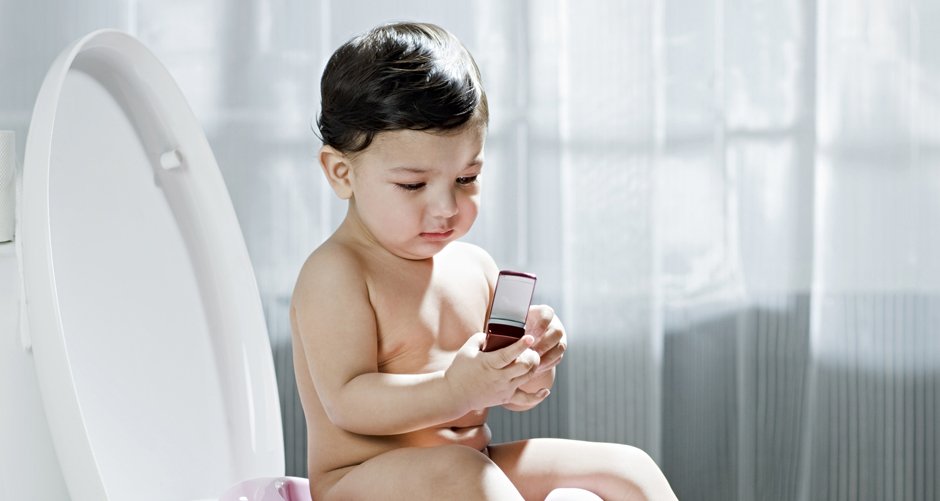
Raising a child is fulfilling and sometimes involves getting your hands dirty. Potty training is a new life skill for your baby - it is like learning to drive a stick shift. Keeping that in mind will change your expectations and reduce frustration throughout the toilet training process.
Toilet-Training Milestones by Age
Children stop pooping at night by the age of one and can control their bladders by 3 or 4 years of age. Potty training should start only after your tiny tot masters the physical abilities needed. Most children can control bowels before bladders, and preparation along with their own desire to stay clean and dry both help.
| Milestone | Typical Age |
| Stops pooping at night | By age 1 |
| Physical readiness (muscle control) | 18 months |
| Girls show readiness | Around 29 months |
| Boys show readiness | Around 31 months |
| Most children fully trained | By 36 months |
| Bladder control | 3-4 years |
Signs Your Child Is Ready for Potty Training
Babies have no inborn knowledge of modern bowel hygiene. Gently assess your child's physical and emotional readiness. Physically, a child is ready at 18 months when they develop muscle control and can sense the fullness that leads to bowel movement. This is the time to start using words like "pooping" and "peeing." Girls show readiness by 29 months, boys by 31 months, and most kids are trained by 36 months. Here are signs it is time to start:
- Bowel movements become timelier and more scheduled
- Your child stays dry for two hours or more
- Facial expressions, grunting, or squatting is displayed
- Ability to show a full bladder or bowel movements through signals
- Your little one has mastered basic motor skills
- Your tot can comprehend words indicating the toileting process
- Your child tells you when their diaper is dirty or asks to change it
How Your Child Experiences Toilet Training
Toilet training requires your child to synchronise a complex combination of physical and cognitive tasks - understanding body functions and sensations with appropriate, timely responses. Using memory and concentration, the child must visualise what to do, plan to reach the toilet, use it, and stay to complete the task. Clues and directions from a caregiver are an important part of this process.
Step-by-Step Potty Training Guide
- Get comfortable with the potty: Encourage sitting on it fully clothed until your child is comfortable.
- Show the purpose: Place soiled diapers in the potty to demonstrate what it is for.
- Encourage sitting without diaper: Lead the child to the potty a few times and encourage sitting without the diaper, especially after meals.
- Create a routine: Slowly increase the frequency and duration of potty sitting.
- Make it fun: Use potty books or made-up songs to increase comfort and make the experience enjoyable.
Potty Training Do's and Don'ts
- Do not start too early: Feeling pressured to begin early will only make the process take longer.
- Do not make it stressful: Keep the experience positive for both you and your baby.
- Help your child feel in control: Let them participate actively and feel independent during the process.
- Use simple language: Be practical, straightforward, and avoid guilt, negative words, or sentiments.
- Be generous with praise: Encourage and praise your child when they get it right - this is an achievement for both of you.