Why Quality Sleep Is Essential for Your Baby's Growth
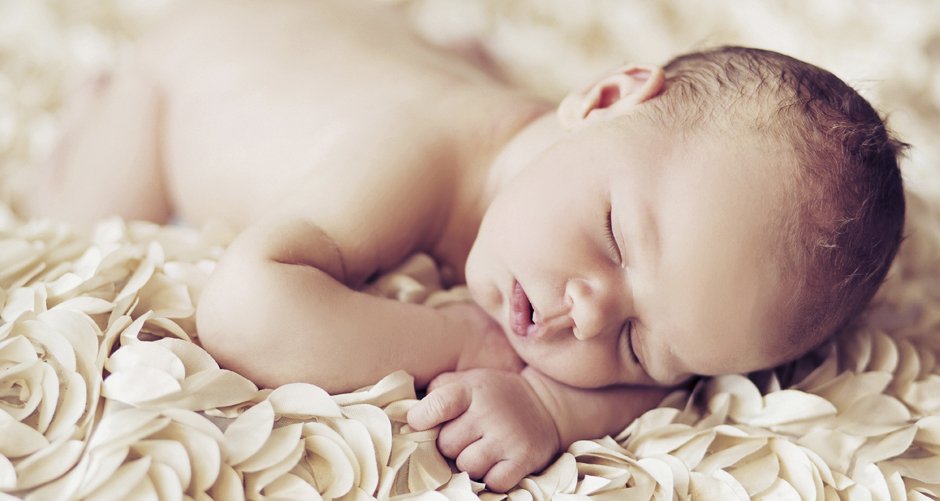
It is essential for your little bundle of joy to get their daily dose of quality baby sleep to stay healthy and grow stronger. Just like you feel rested and peaceful after a full night's sleep, babies enjoy similar benefits from being well-rested. Mums and infants are closely connected through their sleep patterns - while you may crave 8 straight hours, you could be waking up 2-3 times a night depending on your baby's age.
How Much Sleep Does Your Baby Need by Age?
The younger your baby is, the more they snooze. Here is a handy chart curated from sleepfoundation.org, childdevelopmentinfo.com, and sleepreviewmag.com:
| Age | Total Sleep Needed | Key Details |
| Up to 3 months | 14-17 hours/day | Up to 6 hours daytime; not more than 4 hours at a stretch. Less than 11 or more than 19 hours is not ideal. |
| 3-6 months | Varies | Some sleep through the night; most awaken 2-3 times. Circadian rhythm begins forming. |
| 6-11 months | 12-15 hours | Awaken 1-2 times at night; 30-minute to 2-hour naps, 1-4 times per day. |
| 1-2 years | 11-14 hours/day | Wake once at night; naptime reduces to around 3 hours, once during the day. |
Why Quality Sleep Benefits Your Baby
Your baby truly loves sleeping, and with good reason. Deep sleep triggers a hormone that fosters natural growth, improving muscle mass and repairing wear-and-tear. Beyond physical gains, your infant's sleep also incubates abilities like learning, problem-solving, attention, decision-making, and creativity - everything that shapes their development.
Effects of Sleep Deprivation on Babies
Insufficient sleep is bad for your child's health. Sleep deprivation caused by poor sleeping patterns adversely affects your baby in multiple ways:
- Cognition: Dr. Shelly Weiss notes sleep deprivation can directly affect behaviour, attention, learning, and memory.
- Weight: Babies who slept less than 10 hours until age five were observed to be more prone to obesity.
- Chronic disease: Lack of sleep increases risk of insulin resistance, diabetes, and cardiovascular problems.
- Development: Studies show that sleep impacts growth and development of babies until the age of six months.
- Behaviour: Hyperactivity, disobedient behaviour, temper tantrums, over-sensitivity, and lack of patience are associated with poor sleep patterns. Lack of sleep is also linked to increased impulsiveness and lower cognitive performance, especially in children younger than 2.
Bedtime Rituals to Help Your Baby Sleep
Nothing says tender loving care like a bedtime ritual to help your baby slip into slumber. Being calm and quiet with soft-to-zero lighting in the room is essential.
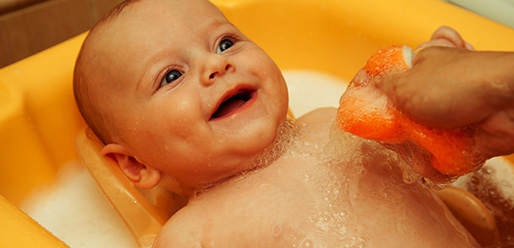
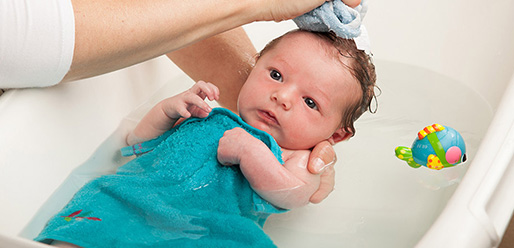
- Warm water baths: Wiping down your young one with warm water and using a rocking motion will induce sleep. Follow your paediatrician's advice on bathing preferences.
- Lullabies and bedtime stories: Rocking your baby to sleep while singing a lullaby continues a centuries-old tradition. Talking in a soft, gentle voice also induces drowsiness.
- Gentle massaging and patting: Rhythmically patting your baby's back while rocking them is hypnotic and great for inducing sleep. You can also massage their limbs. Leave a gap after feeding before doing this.
In addition to bedtime routines, ensure your baby does not wake due to wetness or movement. Use diapers that provide superior protection while being gentle on your baby's skin. Be as quiet as possible and restrict unnecessary movement until they fall asleep.