Pee to poo
Baby Poop Guide: Colours, Textures, and What's Normal
Learn everything about baby poop including normal colours, textures, and frequency. Understand when to worry and how to handle constipation and diarrhea in babies.
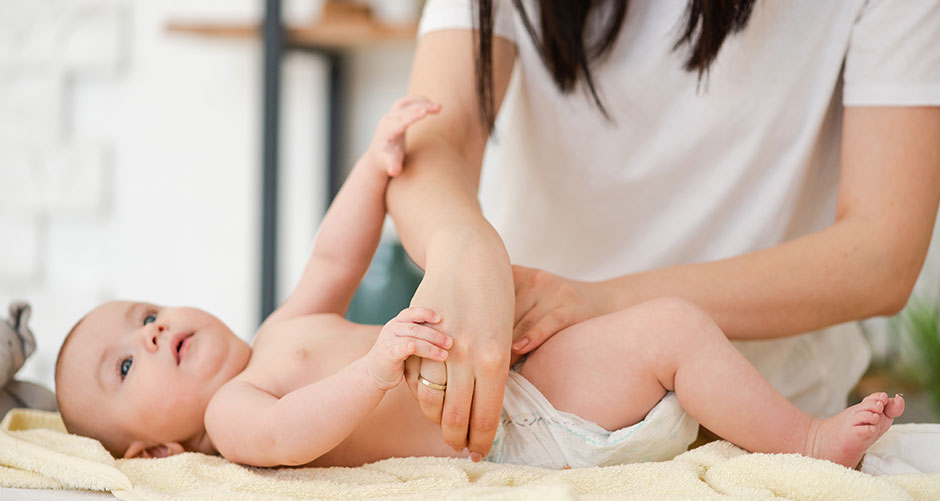
As a parent, learning about your baby's poop is more important than you might realise. The colours, textures, and frequency can tell you a great deal about your baby's health. It is important to learn what is considered normal and when a red flag needs to be raised. Huggies Newborn diapers feature a wider waistband pocket to absorb runny bowel movements. Wearing the right size of diaper is equally important to prevent leaks and unpleasant blowouts.
Understanding Baby Poop: Colours, Textures, and Frequency
| Poop Type | Appearance | What It Means |
| Meconium (first poop) | Sticky, greenish-black tar | Mixture of amniotic fluid, bile, and intestinal secretions. Passes within first 24 hours. |
| Breastfed baby poop | Seedy, mustard-like | Normal; frequency can range from once a week to once per feeding. |
| Bottle-fed baby poop | Toothpaste-like consistency | Normal; typically 1-4 bowel movements per day. |
| Normal colours | Yellow, green, or brown | Any variation of these colours is totally normal. |
| Red/Black poop | Red or black colour | May indicate gastrointestinal bleeding - consult doctor immediately. |
| White poop | White or pale colour | Could represent liver disease or nutrient malabsorption - see doctor. |
Key points about baby poop to remember:
- Consistency matters most: Poop is usually soft and squishy. Anything thicker than toothpaste or looking like logs or marbles indicates constipation.
- Constipation signs: May occur if baby's food intake fluctuates. If it persists, some doctors recommend stimulating the bowel or prescribing a suppository.
- Diarrhea signs: Thin, watery poop or streaked with mucus with higher frequency. Causes include antibiotics, too much fruit juice, milk allergies, or gastroenteritis.
- Dehydration warning: If you notice dry lips, sunken eyes, or sunken fontanels (soft spot on baby's head), call your doctor immediately.
- A breastfeeding baby may have one bowel movement a week or one with each feeding - both are normal. Bottle-fed babies average 1-4 per day.
- Keep baby hydrated: With breast milk, formula, or paediatric electrolyte solutions during diarrhea episodes.
How Solid Foods Change Your Baby's Poop
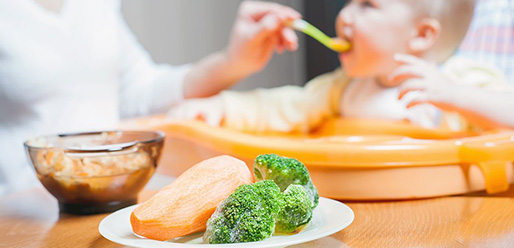
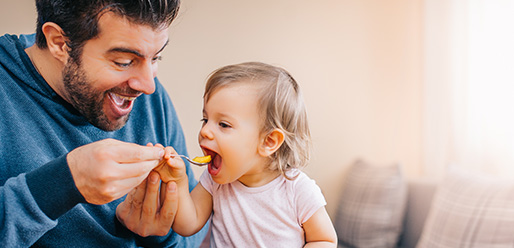
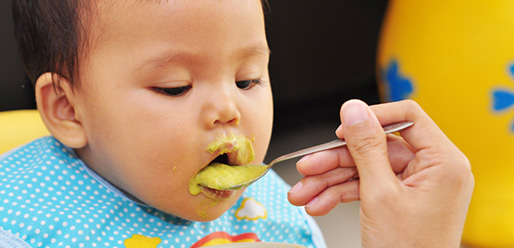
- Expect changes at 4-6 months: When your baby begins eating solid food, frequency decreases and stools become thicker in consistency.
- Watch for rice cereal constipation: If baby's first food is iron-fortified rice cereal, constipation is likely. Switch to iron-fortified oatmeal or mix in pureed prunes.
- Technicoloured stools are normal: Colourful poop simply means meals included a variety of vegetables and fruits.
- Undigested food is normal: Foods like corn may pass through undigested because babies do not always chew well and their systems process food quickly.
- After age one: The wider range of solid foods changes poop's smell, colour, and texture. It gradually becomes more brown, thicker, and resembles grown-up poop.
From Diapers to Potty: Preparing for Potty Training
- The need to seek privacy and a fresh diaper are the first signs your child is ready to be potty-trained.
- Mastering control over pee comes more easily than control over poop.
- Look for bowel movement cues like grunting or becoming red-faced.
- Many toddlers withhold poop due to fear, making it an emotional battlefield rather than just a bodily function.
- Add fibre to your child's diet and get them to sit on the pot at the same time every day to build a routine.
Note: Your baby may not poop as often, but that should not stop you from changing diapers after meals and before naptime or bedtime.
Kimberly-Clark India makes no warranties or representations regarding the completeness or accuracy of the information. This information should be used only as a guide and should not be relied upon as a substitute for professional medical or other health professional advice.
FAQs on All You Need to Know About Baby Poop
Normal baby poop varies by feeding method. Breastfed babies have seedy, mustard-like poop, while bottle-fed babies have toothpaste-like consistency. Any colour variation of yellow, green, or brown is totally normal. Consistency is the most important indicator - it should be soft and squishy.
Meconium is your baby's very first poop. It looks like a sticky, greenish-black tar and is a mixture of amniotic fluid, bile, and secretions from intestinal glands. Expect it to pass within the first 24 hours after birth, with motions improving a few days later.
Worry if poop is red or black, which may indicate gastrointestinal bleeding, or white, which could represent liver disease or nutrient malabsorption. Call your doctor immediately. Also watch for dehydration signs like dry lips, sunken eyes, or sunken fontanels.
A breastfed baby may have only one bowel movement a week or one with each feeding - both are completely normal. Bottle-fed babies tend to average between one and four bowel movements per day. Frequency varies widely and is not a concern on its own.
When babies start eating solid food at 4-6 months, poop frequency decreases and stools become thicker. Technicoloured stools from fruits and vegetables are normal. Undigested food like corn passing through is also normal since babies do not always chew well.
Signs of constipation include poop thicker than toothpaste or that looks like logs or marbles, accompanied by discomfort when pooping. Constipation may occur when food intake fluctuates. If first food is iron-fortified rice cereal, switch to oatmeal or add pureed prunes.
Diarrhea causes include consumption of antibiotics, too much fruit juice, milk allergies (not common), or gastroenteritis which is a viral infection causing vomiting and diarrhea. Signs include thin, watery poop streaked with mucus. Keep baby hydrated with breast milk, formula, or electrolyte solutions.
Signs of potty readiness include seeking privacy, wanting a fresh diaper, and showing bowel movement cues like grunting or becoming red-faced. Mastering pee control comes more easily than poop control. Build a routine by having your child sit on the pot at the same time every day.