Infantile Eczema: Symptoms, Causes, Treatment and Prevention
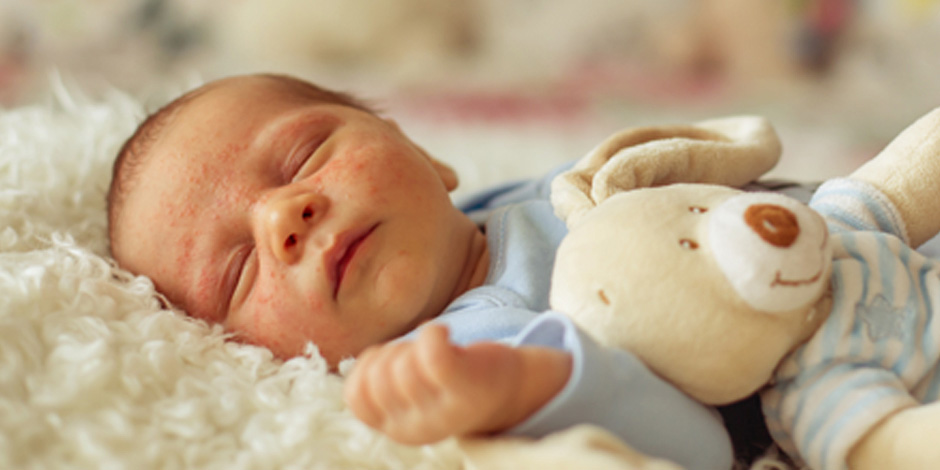
Eczema is caused by skin inflammation and results in itchy and dry skin. Babies too may suffer from eczema, starting as early as two months old. Infantile eczema can be effectively treated, and most children get completely cured. However, some children carry it into adulthood or may develop other atopic illnesses like allergy and asthma.
Recognising Eczema Symptoms in Babies
Red, leathery patches on the skin may be the first signs of eczema. It can spread to any part of the body, but common locations include:
- Folds of skin and behind the knees
- Nappy area
- Cheeks, neck folds, and joints of the limbs (common in babies)
Initially, it might be mistaken for heat rashes. Eczema causes extremely dry and sensitive skin, making your baby irritable and prone to scratching the affected area frequently. Eczema comes and goes with varying severity depending on several factors.
What Causes Eczema in Babies?
| Cause | Details |
| Allergens | Baby's skin becomes sensitive to dust, pollens, pollutants, moulds, pet dander, and dust mites. Can also be hereditary. |
| Weather | Babies perspire less effectively; erratic climate changes, high humidity, and temperature changes can trigger eczema. |
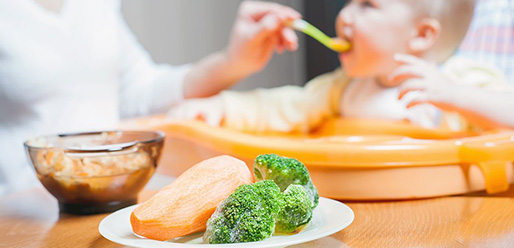
| Diet | Citrus fruits, dairy products, chocolate, eggs, seafood, preservatives, and food colours can cause skin reactions. |
| Clothing | Baby's skin is sensitive; only soft cotton is recommended. Woollen and lycra fabrics cause irritation. |
| Toiletries and Detergents | Harsh chemicals in lotions, bath foams, perfume, and soap can trigger eczema. Detergent used for baby clothes can also cause flare-ups. |
Who Is More Prone to Eczema?
Babies with more than normal dry and sensitive skin are prone to eczema. If there is a family history of atopic illnesses like asthma, eczema, and allergies, there is more than 50% chance of the baby inheriting eczema.
Treatment: Mild topical steroids like hydrocortisone cream can be effective. Use sparingly as overuse may cause skin thinning. It is advisable not to use hydrocortisone cream on children below 10 years without a doctor's direction. Antibiotics may be prescribed for serious conditions, and oral antihistamines can relieve itchiness.
9 Ways to Prevent Eczema in Babies
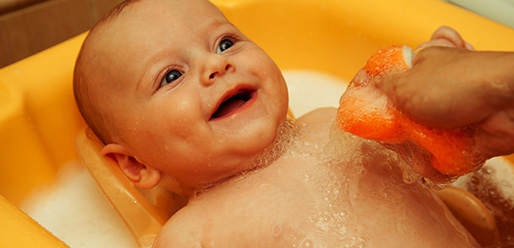
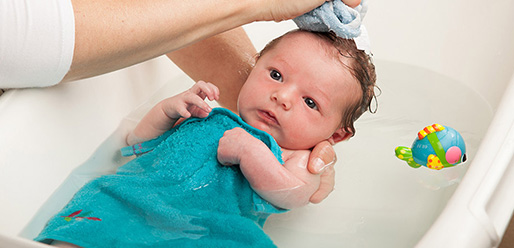
- Bathe in lukewarm water once daily: Do not use very hot water as high temperature can flare up eczema. Keep bathing time under 10 minutes.
- Use mild, hypoallergenic toiletries: Unscented products are best. An oatmeal-based bath lotion may soothe itchiness.
- Pat dry after bath: Never rub the towel on your baby as friction aggravates eczema. Ensure skin folds are completely dry.
- Keep skin well moisturised: Use a moisturiser containing petroleum jelly. Apply immediately after bath while skin is still wet for maximum absorption.
- Dress in loose cotton clothes: Minimise irritation from chafing. Wash new clothes once before use.
- Keep nails trimmed: Babies tend to scratch themselves when itching from rash.
- Use cool sleepwear: Avoid fleece blankets and quilts, especially in high humidity regions.
- Keep environment clean: Sun the bedding regularly. Avoid stuffed toys and carpets near baby as they trap dust. Be careful with pets as dander triggers eczema.
- Avoid drastic temperature changes: Do not transfer your baby abruptly from hot to cold or vice versa.
When to Visit the Doctor for Baby Eczema
If your baby's skin has become scaly and your baby has rashes with pus-filled bumps, it means the eczema is in a severe condition and you need to visit the doctor. Keep your baby from encountering people who have cold sores (oral herpes) or open wounds.