Understanding Your Baby's Emotions: A First-Year Guide
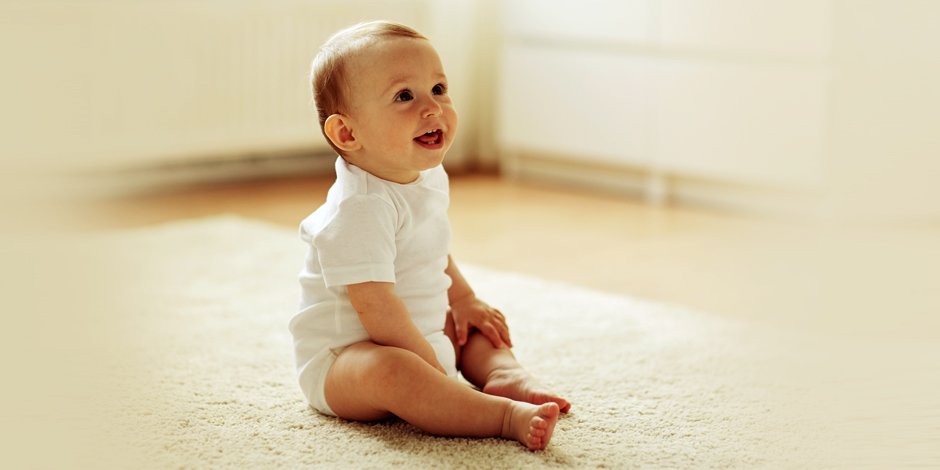
First smiles are only the start of the amazing baby emotions your little one will develop during the first year. As early as 3 months, they may be reading expressions and storing information in their growing memory bank. These stored experiences help them manage and control their own emotional development as they grow.
3 Months: It All Begins With That First Smile
At 3 months, your baby may enjoy socialising with you and immediate family members. They smile easily, have a keen interest in human faces, and learn about others' emotions and expressions through watching, listening, and participating in social interactions.
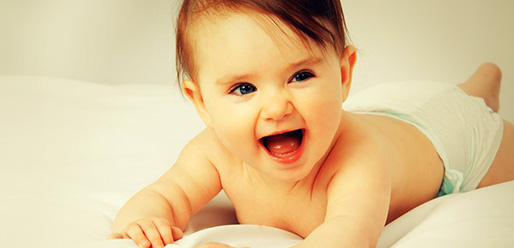
- Expect to hear the first giggles during this period. Making funny "burrr" sounds, pecking them on the cheek, or tickling their stomach are great ways to encourage laughter.
- Your reactions significantly influence how your baby responds to situations in the future.
- Babies develop the ability to read emotions early and can recognise their parent's expressions at about 3.5 months of age.
- They watch parents very closely, so keep your emotions in check - babies sense anxiety just as much as happiness.
- When your baby is alert and social, respond to their smiles and cooing noises. Listen and talk to them regularly.
- React warmly when they are anxious, frightened, or crying. Try swaddling in a blanket, carrying in a sling, or rocking gently with soft music playing in the background.
6-9 Months: Developing Unique Personality and Separation Anxiety
During the 6 to 9-month period, your baby starts developing characteristics that are uniquely their own. You will be familiar with their temperament and their distinctive tone.
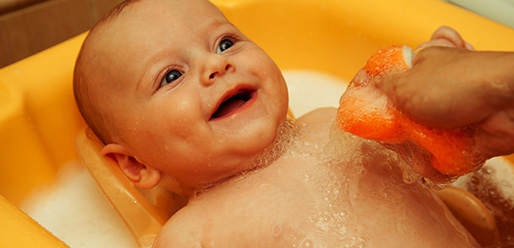
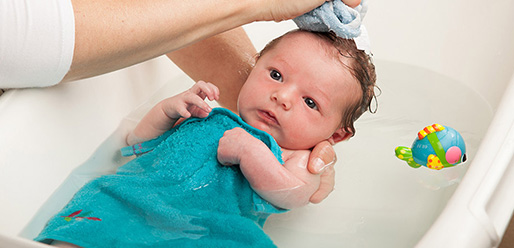
- Your baby may get excited during bath time or snuggle into your arms at bedtime.
- They retain input on who has expressed positive or negative emotions towards them - a sudden rise in voice or tension in touch is stored in their memory bank.
- At this age, babies enjoy being around people they feel loved by and develop a growing attachment to immediate caregivers.
- Separation anxiety may begin - most babies exhibit anxiety and fear when parents are out of sight. This is normal and means the brain's memory centre is maturing.
- Games like peek-a-boo and hide-and-seek help them learn that people and objects disappear but also return.
9-12 Months: First Tantrums and Growing Independence
As your baby approaches the final months of their first year, they become more capable of demonstrating varied emotions and distinguishing between familiar and unfamiliar people.
- They may be more mobile and curious to explore surroundings independently.
- Their new-found independence helps them feel safe as they move away from and return to trusted loved ones.
- Unpleasant encounters that once caused tears may now elicit frowns or head turning to signal disapproval.
- Signs of frustration or anger may appear, and you are likely to witness their first temper tantrum.
- After an outburst, try another activity. Allow your baby to express emotions, soothe them, then help them learn to modulate negative emotions.
- Small cuddly stuffed animals or a soft blanket help your baby feel safe as they explore the world.
How Your Baby Learns Emotions From You
- Model the behaviour you expect: Your baby watches your every move, so set the right example.
- Set and enforce guidelines appropriate for your baby's age and temperament.
- Do not smile or laugh at behaviour that is discouraged - the laughter will only encourage them to repeat it.
- Echo their smiles and cooing to reinforce positive emotions.
- When your baby shows anger, hold them firmly, distract them, and be calm but assertive. Consistency is key.
- Babies need a warm and predictable environment to form close relationships. If their emotions are not met with proper responses, they may have difficulties forming positive relationships later in life.
| Age | Emotional Milestone | How to Respond |
| 3 months | First smiles, giggles, social interest, reading expressions | Respond to smiles and cooing; use pleasant tones; swaddle when anxious |
| 3.5 months | Recognises parent's expressions | Keep emotions in check; babies sense anxiety and happiness equally |
| 6-9 months | Unique personality; separation anxiety; memory of emotional experiences | Play peek-a-boo; reassure during separations; maintain loving environment |
| 9-12 months | Varied emotions; first tantrums; independence; distinguishing familiar faces | Stay calm and assertive; distract after outbursts; provide comfort objects |