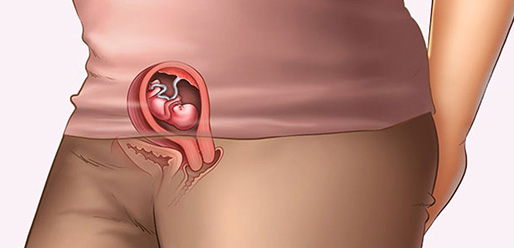
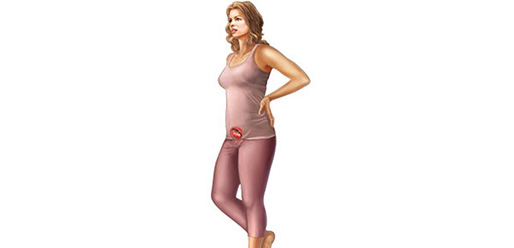
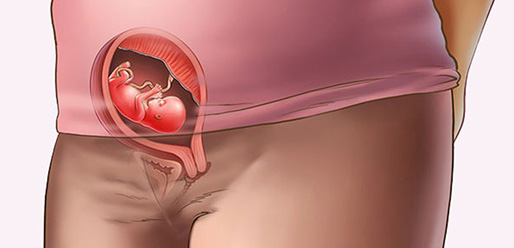
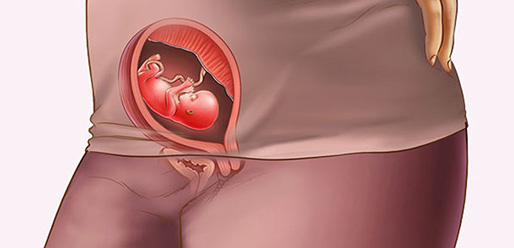
Stages of pregnancy
Pregnancy week
1 Week Pregnant – What to Expect
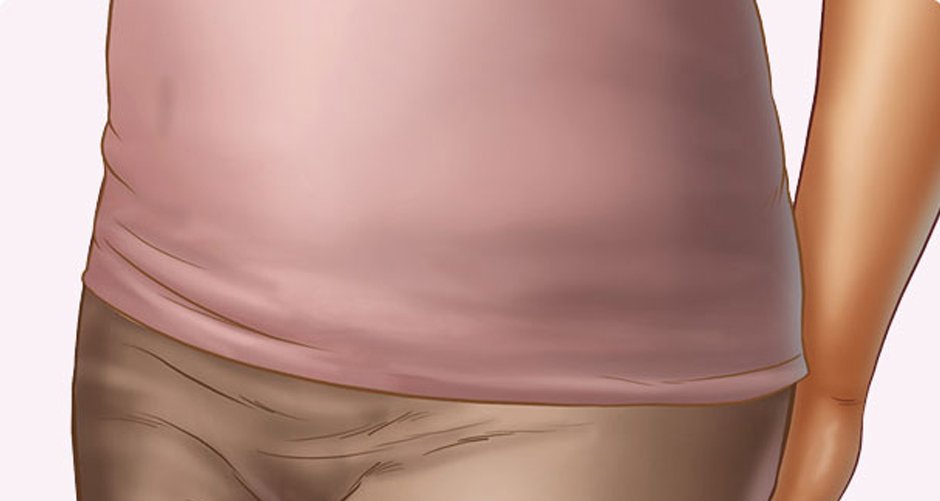
At 1 week pregnant, your body is not carrying a baby yet. This is the week of your period, and conception is still a couple of weeks away. However, this week is important because your body is preparing for ovulation and a potential pregnancy.
During your menstrual period, complex hormonal changes begin, setting up the reproductive system for fertilisation. This is why pregnancy counting starts from the first day of your last normal menstrual period (LNMP) — even though no egg has been fertilized yet.
Tracking Your Cycle
Keep note of:
- The start day of your bleeding
- How long your period lasts
- Your cycle length (typically around 28 days)
Tracking these details helps you predict the time you are most likely to conceive.
When Will You Ovulate?
Most women ovulate 12–14 days after their period begins. If you are trying to conceive, timing intercourse around or just before ovulation increases the chances of pregnancy.
Conception: How and When It Happens
Conception occurs quietly and without any clear signs. Once released, an egg survives for 12–24 hours, traveling from the ovary through the fallopian tube, where fertilisation usually occurs.
Sperm survive longer, but only the strongest reach the fallopian tube.
SSome women experience light bleeding during implantation, which should not be confused with a normal period — hence the term LNMP.
What Can You Do When You’re 1 Week Pregnant?
- Track your menstrual cycle
- Stop contraception if planning pregnancy
- Begin prenatal vitamins with folic acid (500 mcg/day)
- Eat healthy and stay active
- Schedule a medical check-up
- Ensure your immunisations are up to date
- Avoid medication unless prescribed
Tip of the Week
Focus on maintaining a healthy lifestyle that supports your mental and physical well being. It helps prepare your body for pregnancy.
Kimberly-Clark India makes no warranties or representations regarding the completeness or accuracy of the information. This information should be used only as a guide and should not be relied upon as a substitute for professional medical or other health professional advice.
FAQ Section
It means you’re not pregnant yet. Week 1 is counted from the first day of your
period, even though fertilisation has not occurred.
Because it standardizes pregnancy dating. Medical professionals use the first day of the
last normal menstrual period (LNMP) to estimate due dates accurately.
No, not pregnancy symptoms. At 1 week, you may feel menstrual discomfort, not pregnancy-related signs.
Most women ovulate 12–14 days later. This is typically the most fertile window.
Yes, if ovulation occurs early. Sperm can survive for several days, increasing the chances.
Only 12–24 hours. Fertilisation must happen within this short window.
Sperm can survive up to 5 days. Only the healthiest reach the fallopian tube.
It is light spotting when the fertilised egg attaches to the uterus.
It should not be confused with a normal period.
Yes, especially folic acid. The recommended dose is
500 mcg/day, ideally started months before conception
Healthy eating, staying active, and quitting smoking. These improve chances of conception and support early pregnancy.
Yes, unless prescribed. Some medications may affect early fetal development.
It predicts ovulation. Knowing cycle length helps identify the most fertile days.
Yes, hormone-based methods may delay cycle regularity. Your body may need time to adjust.
Yes, it's recommended. A pre conception check ensures your body is healthy and ready.
They protect both mother and baby. Check with your doctor for required vaccines.