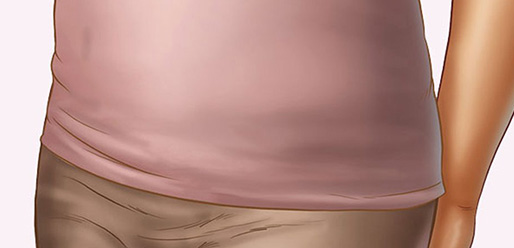
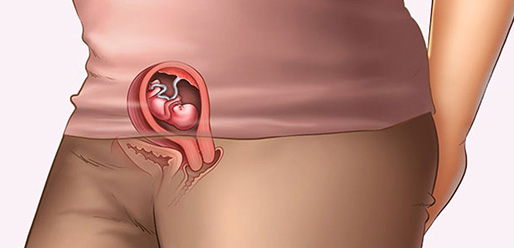
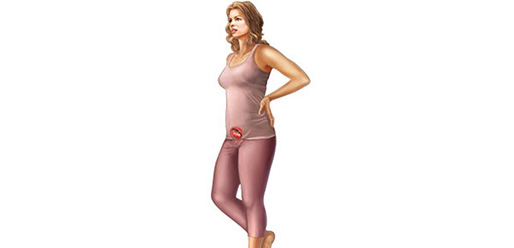
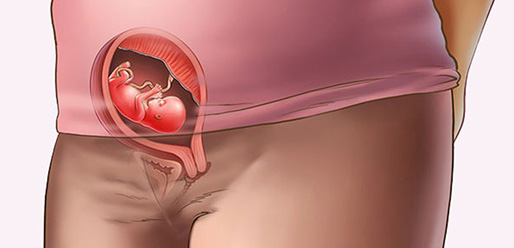
Stages of pregnancy
42 Weeks Pregnant: Overdue Pregnancy Induction and Monitoring

Being overdue in pregnancy means different things to different women. Some are relaxed, confident that the baby will arrive in its own time. Others are anxious, waiting nervously for something to happen. Doctors can have differing and even opposing views on the need to induce an overdue pregnancy.
At 42 weeks pregnant, your healthcare provider will check and re-check the accuracy of your due date using the first day of your last normal period and ultrasound findings. You may have a vaginal examination to assess your cervix's suitability for labour. If your baby's head has engaged and is applying pressure, the cervix is likely thinning and starting to dilate. Your doctor may try to stretch the cervix and strip the membranes, releasing prostaglandins which play an important role in commencing contractions.
It is important to be monitored carefully at 42 weeks. Biophysical profiles and regular CTGs (Cardiotocographs) are commonly recommended. The placenta may not be working as effectively as it was a few weeks ago and must still be able to support your baby efficiently.
Physical Changes at 42 Weeks Pregnant
- Swelling: You are likely to have problems with swelling this week. Your ankles and feet look puffy, and it may be hard to walk any distance or stay on your feet too long.
- Emotional state: Being overdue can take an emotional toll. Some women feel overwhelmed while others remain calm. Both reactions are completely normal and valid.
Helpful Hints for Week 42 of Pregnancy
- Discuss induction: Talk to your doctor about induction methods including membrane stripping, prostaglandin gels, and artificial oxytocin. Each method has benefits and considerations.
- Stay monitored: Regular CTGs and biophysical profiles ensure your baby is safe. The placenta's function decreases in overdue pregnancies, making monitoring essential.
- Seek support: Lean on your partner, family, and friends for emotional support during this anxious waiting period.