Stages of pregnancy
Pregnancy week
21 Weeks Pregnant: Baby Development and Common Symptoms
At 21 weeks pregnant, your baby's movements become stronger. Learn about physical changes, baby growth milestones, and essential weekly tips for a healthy pregnancy.
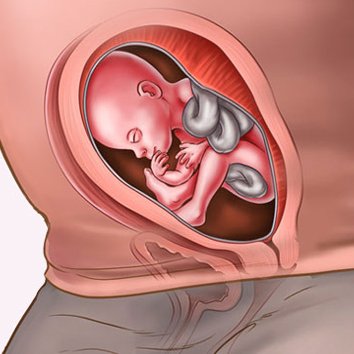
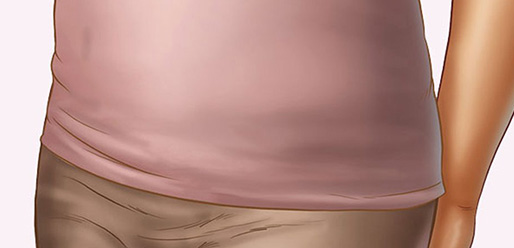
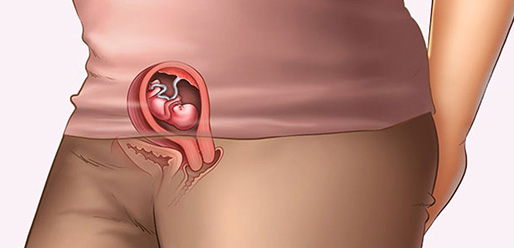
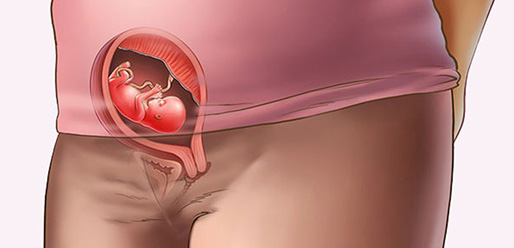
At 21 weeks pregnant, you are well into the second trimester and your baby is growing rapidly. This is an exciting time as your baby's movements become more distinct and your body continues to adapt to the changes of pregnancy.
Your Physical Changes at 21 Weeks
- Stretch marks: As your belly expands, stretch marks may appear on your abdomen, hips, and breasts.
- Varicose veins: Increased blood volume and pressure from the uterus can cause veins in your legs to swell.
- Backache: Your growing belly shifts your centre of gravity, putting strain on your lower back.
- Braxton Hicks: You may start noticing practice contractions - these are irregular and usually painless.
Your Baby's Development at 21 Weeks
- Your baby weighs approximately 360 grams and measures about 27 cm.
- Eyebrows and eyelids are fully developed.
- Your baby is becoming more active with stronger kicks and movements.
- The digestive system is practising by absorbing small amounts of sugar from swallowed amniotic fluid.
Helpful Hints for Week 21
- Moisturise: Apply stretch mark cream or oil to keep skin supple and minimise stretch marks.
- Practice good posture: Support your lower back and avoid standing for long periods to reduce backache.
- Stay hydrated: Drink plenty of water to support circulation and reduce swelling.
- Consider prenatal classes: This is a good time to enrol in birth preparation classes.
Kimberly-Clark India makes no warranties or representations regarding the completeness or accuracy of the information. This information should be used only as a guide and should not be relied upon as a substitute for professional medical or other health professional advice.
FAQs on Week 21
At 21 weeks, your baby weighs about 360 grams and measures 27 cm. Baby movements become stronger, eyebrows and eyelids are fully developed, and you may start experiencing Braxton Hicks contractions, stretch marks, and backache.
Braxton Hicks are practice contractions that may begin around 21 weeks. They are irregular and usually painless, unlike true labour contractions. They help prepare your uterus for actual labour.
Apply stretch mark cream or oil regularly to keep skin supple and minimise stretch marks. Stay hydrated by drinking plenty of water. Stretch marks commonly appear on the abdomen, hips, and breasts as your belly expands.
Backache occurs because your growing belly shifts your centre of gravity, putting strain on your lower back. Practice good posture, avoid standing for long periods, and consider support belts designed for pregnancy.