Stages of pregnancy
Pregnancy week
12 Weeks pregnant - What to expect ?
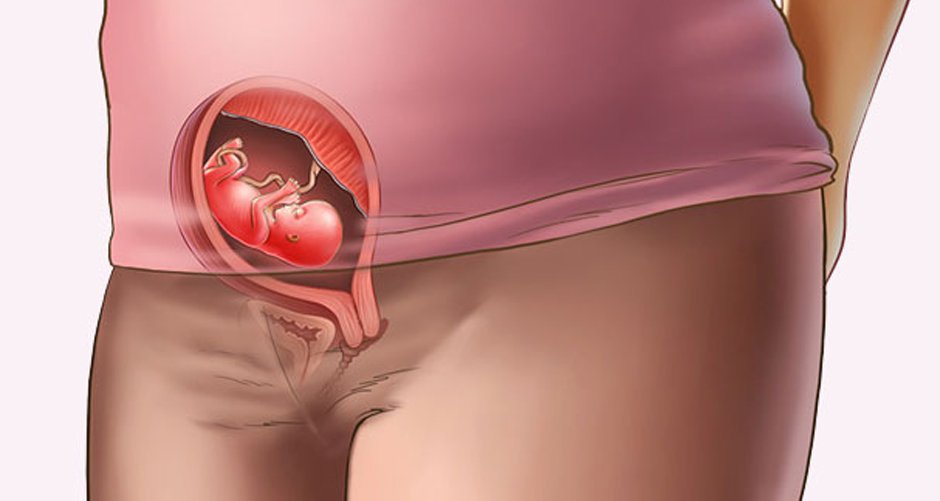
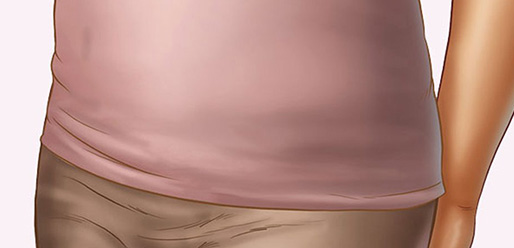
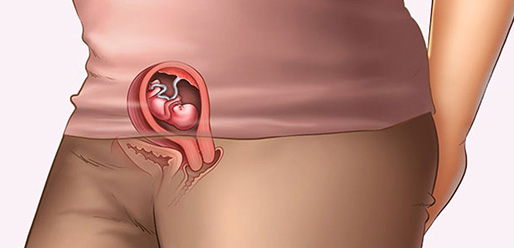
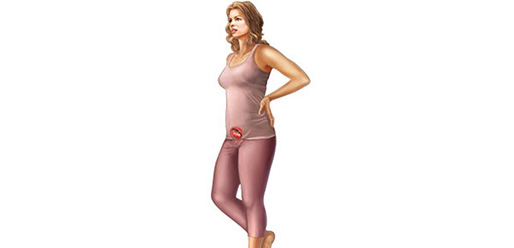
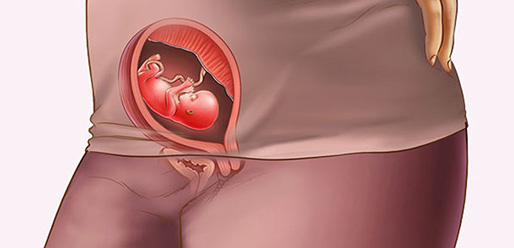
At 12 weeks pregnant, you’re reaching the end of your 1st trimester—a phase many women find the most challenging. This week brings noticeable physical, emotional, and developmental milestones for both you and your baby.
Your Physical Changes This Week
- The skin around your nipples may become darker; pigmentation patches may appear on your face.
- A dark vertical line (linea nigra) may start forming from your navel to your pubic area.
- Nausea and fatigue begin to fade, bringing more energy.
- Increased blood volume may give you the famous pregnancy "glow."
- Pimples may reduce, revealing a clearer complexion.
- Frequent urination decreases as the uterus lifts and gives your bladder more space.
- You may feel the top of your uterus just above the pubic bone when lying on your back with a full bladder.
Your Emotional Changes This Week
- You may feel euphoric as energy returns and queasiness reduces.
- Many couples choose this time to announce pregnancy because miscarriage risk drops.
- You may still feel sensitive or tearful—crying helps release emotions.
- Libido may increase due to rising oestrogen and increased genital blood flow.
- Sex is safe unless at risk of premature labour or if membranes have ruptured.
Your Baby’s Changes This Week
| Baby Development | Week 12 Highlights |
| Size | Same as a ripe plum (5.0–6.5 cm / 2–2.5 inches) |
| Movement | Kicking, stretching, twisting—but not yet felt |
| Immune System | Bone marrow starts making white blood cells |
| Brain | Critical development period (weeks 12–18) |
| Hormones | Pituitary gland starts functioning |
| Protection | Eyelids fully cover eyes |
| Skills | Baby can suck its thumb |
| Digestion | Intestines practice contracting; meconium formation begins |
Tips for the Week
- Avoid exercises that reduce oxygen supply like scuba diving, mountain climbing, or high-altitude travel.
- Consider writing a letter to your baby—special for future memories.
- Avoid foods that risk Listeria infection:
- Soft cheeses (brie, camembert)
- Raw seafood, sushi
- Ready made salads
- Raw meat
- Maintain excellent kitchen and food hygiene.
Kimberly-Clark India makes no warranties or representations regarding the completeness or accuracy of the information. This information should be used only as a guide and should not be relied upon as a substitute for professional medical or other health professional advice.
FAQs About Being 12 Weeks Pregnant
You can expect increasing energy, reduced nausea, less fatigue, and a pregnancy “glow.” Many women also notice darker nipples and facial pigmentation.
Yes, it’s normal to feel like you can’t fully expand your lungs. Your growing uterus begins taking up more space, affecting breathing.
Cravings often occur because pregnant women respond to textures like ice, raw vegetables, yoghurt, or chewy treats. Keep favourites on hand—moderation is key.
You experience increased gas because pregnancy hormones slow digestion. Certain foods—beans, green vegetables, bran, high fibre cereals—can worsen bloating and gas.
Yes, it usually reduces because the uterus rises out of the pelvis, easing pressure on the bladder.
Yes, emotional intensity is common. You may feel euphoric, relaxed, or unusually sensitive. Hormonal shifts influence your mood.
Yes, increased libido is normal. Higher oestrogen levels and better energy can heighten desire. Sex is safe unless medically restricted.
Your baby is about 5.0–6.5 cm, roughly the size of a ripe plum, and is constantly moving though you can’t feel it yet.
The baby develops rapidly: white blood cells form, the pituitary gland starts working, digestion begins, and thumb sucking starts.
Yes, avoid Listeria risk foods like soft cheeses, raw seafood, sushi, deli meats, pâté, ready made salads, and raw meat.
Yes, moderate exercise is safe, but avoid activities that affect oxygen supply such as scuba diving and mountain climbing.
You won’t feel movement yet. Although the baby is active, movements become noticeable only when the baby grows larger.