Stages of pregnancy
2 Weeks Pregnant: Ovulation, Fertilisation and What to Expect
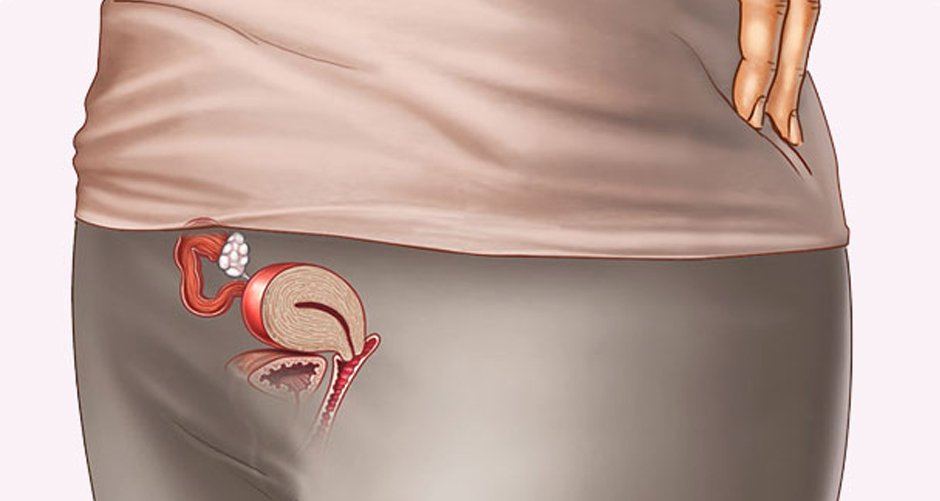
Although being 2 weeks pregnant may sound like you are on your way, there is still some time to go before your bun is in the oven. But, with a couple of well-timed interventions and a little luck, you and your partner will be able to make the most of your chances of a successful conception.
In the 2nd week of pregnancy, some essential and complex processes are happening within your brain and reproductive organs. Although you can't see what's going on and may only feel the slightest twinge, being 2 weeks pregnant is the start of what could be a series of events which lead to your baby becoming a reality.
Ovulation
- Each month, 1 of your 2 ovaries will release an egg. This is alternated from side to side and in some women more than 1 egg is released in each monthly cycle. The egg sits in a "bed" of fluid, known as a follicle. Although many follicles start the process of maturing an egg each month, only one dominant one, from a field of about 20, will make it out.
- At the same time as your follicles are busy maturing an egg, the lining of your uterus is building up. Oestrogen is released by unique cells in the follicles and this helps prepare your uterus to receive a fertilised egg.
- If fertilisation of your egg with your partner's sperm doesn't occur, the blood-thickened lining inside your uterus will not be needed and that's what will be released in your next period.
When Will You Ovulate?
Most women have cycles which last between 28-32 days, though a couple of days either side is still considered within a normal range. Ovulation usually occurs on or around the 14th day after the first day of the last period. In women with longer or shorter cycles than the standard 28 days, ovulation timing will be different.
| Cycle Length | Approximate Ovulation Day |
| 28-day cycle (standard) | Around day 14 |
| Shorter cycles (<28 days) | Earlier than day 14 |
| Longer cycles (>32 days) | Later than day 14 |
How Can You Tell When You Ovulate?
There are some subtle signs which you may notice when you are ready to ovulate. These are specific to each woman and what you may experience will be different than anyone else.
- Heightened sense of smell - Some women develop sensitivity to odours they aren't usually conscious of.
- Pelvic pain (Mittelschmerz) - A German word which translates to 'middle pain', felt in the pelvic region.
- Cervical mucus changes - Fertile mucus can look like egg whites or be more watery and slippery than usual, designed to help sperm swim more easily.
- Increased libido - Some women feel more sensual towards their partner, which is nature's way of encouraging conception at the most fertile time.
- Saliva and urine tests - Available at medical stores, these can detect hormonal changes alerting you to ovulation.
- Increased basal body temperature - A woman's temperature rises a couple of degrees from baseline during ovulation. Charting your temperature for a couple of months will help you see a pattern.
- Egg fertilisation window - An egg is capable of being fertilised for around 12-24 hours after release. Sperm can live for 3-5 days, so timing sex a few days around ovulation is beneficial.
Fertilisation
Fertilisation of the egg with a single sperm usually occurs in the fallopian tube, happening in the 3rd week of pregnancy. It is important that the zygote (single cell) continues to move down towards the uterus, because it starts to divide quickly and the cells multiply.
Things to Keep in Mind at 2 Weeks Pregnant
- Ovulation is only one half of the story. When your partner ejaculates, around 100-300 million sperm are present in his seminal fluid, but it only takes one sperm to fertilise your egg.
- Don't worry about timing - There is only around a 20% chance of falling pregnant each month and it takes many couples up to 12 months or more to conceive.
- You may feel more amorous and have a higher libido this week.
- Your baby has still not been conceived in this week, even though you are officially two weeks pregnant. However, all of your baby's genetic information is contained in the single cell you release from one of your ovaries.
Tips for Week 2 of Pregnancy
- Quit smoking - Nicotine can affect fertility and reduce the likelihood of conceiving in some women.
- Plan intimate time - In our busy lives, making time for conception can require planning and organisation.
- Start pre-natal vitamins - If you haven't started already, begin taking pre-natal vitamins that include folic acid. The recommended dose in early pregnancy is 500 mcg/day. Consult a doctor before starting any course.