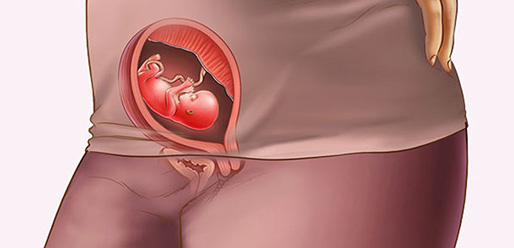
Stages of pregnancy
Pregnancy week
20 Weeks Pregnant: Halfway Point of Your Pregnancy Journey
At 20 weeks pregnant, you reach the halfway point. Learn about your baby's development, anatomy scan details, and essential tips for this milestone week.
At 20 weeks pregnant, you officially reach the halfway point of your pregnancy as the average gestation period is 40 weeks. It is also normal to deliver up to two weeks before or after your due date.
Your Physical Changes at 20 Weeks Pregnant
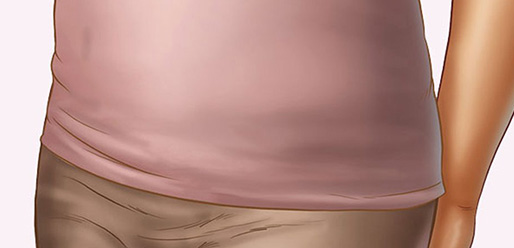
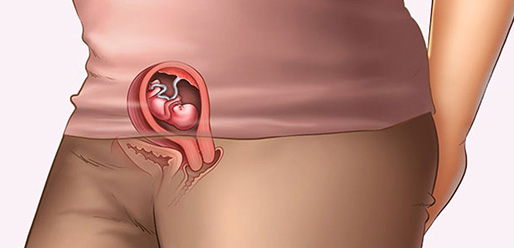
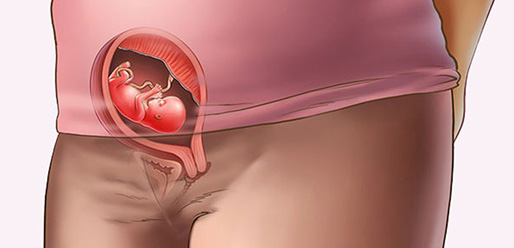
- Growing belly: Your uterus is now at the level of your belly button. The fundal height measurement matches your gestational weeks.
- Feeling baby movements: You should be feeling regular baby movements by now, which become stronger and more frequent.
- Skin changes: Stretch marks may begin to appear as your skin stretches. Keep skin moisturised.
- Swelling: Mild swelling in ankles and feet is common due to increased fluid retention.
Your Baby's Development at 20 Weeks
- Your baby measures about 25 cm from head to toe and weighs approximately 300 grams.
- The baby's skin is thickening and developing layers.
- Vernix caseosa continues to coat and protect the skin.
- Your baby can hear sounds outside the womb and may respond to your voice and music.
- Taste buds are developing and your baby swallows amniotic fluid regularly.
Helpful Hints for Week 20
- Anatomy scan: The mid-pregnancy ultrasound is typically performed around week 20. This detailed scan checks your baby's organs, measurements, and overall development.
- Monitor baby movements: Start paying attention to your baby's movement patterns. Report any significant changes to your healthcare provider.
- Stay active: Continue gentle exercise like walking and prenatal yoga to maintain fitness and manage discomfort.
- Plan ahead: Start thinking about birth classes, nursery preparation, and any workplace arrangements you need to make.
Kimberly-Clark India makes no warranties or representations regarding the completeness or accuracy of the information. This information should be used only as a guide and should not be relied upon as a substitute for professional medical or other health professional advice.
FAQ – 20 Weeks Pregnant
At 20 weeks pregnant, your body reaches the half way point
of pregnancy, and your uterus aligns with your navel. You may notice changes in posture, walking style, and increased baby movements.
Yes, dizziness is normal because relaxed blood vessels and sudden posture changes affect blood flow. Avoid standing still too long and rise slowly from sitting or lying positions.
Your walking changes because your tummy grows and shifts your centre of gravity. This is a normal
pregnancy symptom at this stage.
No, loss of waistline is normal. As your uterus expands, your torso looks more symmetrical from the arms to the hips.
They occur because pregnancy hormones relax blood vessels, improving blood flow but causing swelling in certain areas.
Yes, sun exposure darkens chloasma. Wearing sunscreen and a hat helps prevent pigmentation from becoming more noticeable.
Yes, this is completely normal. The growing weight of your belly naturally triggers this instinctive support.
Your feet may increase in size because extra weight flattens the arches. This is common as pregnancy progresses.
By 20 weeks, your baby has formed ears and measures around 16.5 cm. Movements increase, and your baby can recognise your voice.
Yes, your baby can hear you. The abdominal wall filters sound, and the now-formed external ears help channel sound waves to the inner ear.
Avoid heavy lifting, twisting, slouching, and resisting bowel movements. These can trigger discomfort or complications.
Yes, backache is common, especially if you lift incorrectly or sit in an unsupported chair. Try heat packs, warm baths, and massages.
No, but do talk to your doctor. Many women experience labour-related anxiety during pregnancy.
Yes, your due date may vary by two weeks before or after the estimated date.
Baby movements increase because development accelerates, but these movements typically do not cause discomfort.
Yes, amniotic fluid is slightly warmer than your core temperature and keeps your baby comfortable.
Yes, a supportive chair is recommended to prevent strain, especially if you sit for long hours.
It can happen, but is mostly due to posture changes or blood vessel relaxation. Persistent fainting should be checked by a doctor.
See a physiotherapist if backache persists despite using heat therapy and proper posture.
It prevents complications, as holding bowel movements leads to unnecessary strain and issues like constipation or haemorrhoids.