Stages of pregnancy
Pregnancy week
26 Weeks Pregnant: Baby Development and Physical Changes
At 26 weeks pregnant, you're entering the sixth month of pregnancy. Your baby is opening its eyes and developing movement patterns. Learn about physical changes, baby's growth, and essential health tips for week 26 of pregnancy.
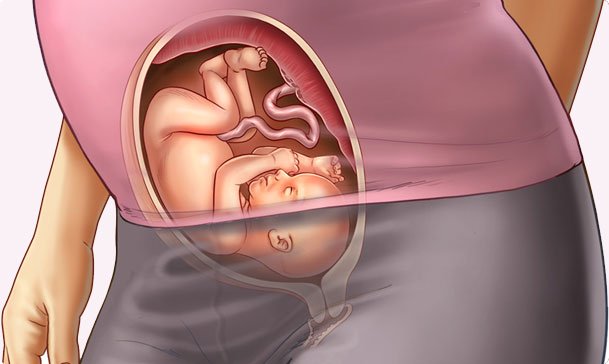
You are now entering the sixth month of pregnancy. In trimester two, your ante natal check-ups were done monthly but now the frequency of the check-ups will increase to monitor all changes and developments closely.
Your Physical Changes at 26 Weeks
- Increased blood volume - The volume of blood in your body has increased approximately 25% and this is going to peak near week 35 of your pregnancy.
- Braxton Hicks contractions - These help in hardening your uterus and you may feel them at regular intervals, especially after bending over, having sex, standing from a sitting position, or climbing up a flight of stairs.
- Constipation prevention - Eat food rich in fibre, drink a lot of water and exercise regularly to avoid constipation.
- Lightheadedness - If you feel lightheaded or feel like fainting, sit down and put your head between your legs. Call out to someone to be with you. If there is no one around, sit on the floor till you feel normal. Many pregnant women go through the same experience.
Your Baby's Development at 26 Weeks
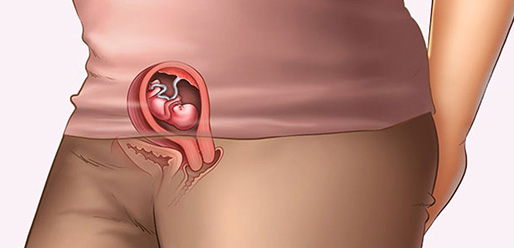
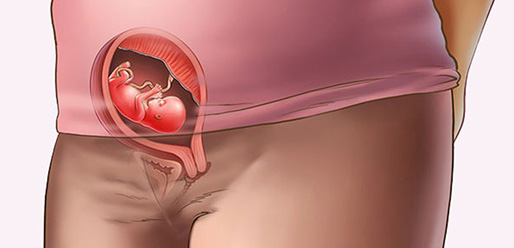
- Movement patterns - Your baby stretches its arms and legs but mostly stays curled up with hands and legs folded against its bottom.
- Eyes opening - Your baby is now starting to open his or her eyes, meaning the eyelids are no longer fused to the eyes.
- Increasing activity - The baby's movements will keep increasing from now to the 30th week of pregnancy.
- Growing in size - Your baby is growing in length and laying more fat under his or her skin.
- Average birth weight - On average, the birth weight of the baby is approximately 3.5 kilograms.
- Regular patterns - You may have observed that your baby has a certain pattern of movement and sleeps and moves at regular periods.
| Development Milestone | Details at Week 26 |
| Eyes | Starting to open; eyelids no longer fused |
| Movement | Increasing; will peak around week 30 |
| Fat development | Laying more fat under the skin |
| Vision | Eyes will soon learn to blink, open, close and focus |
| Average birth weight | Approximately 3.5 kilograms |
In the following weeks, the baby's eyes will learn to blink, open and close and focus his or her vision. The size and weight of the baby depends on the genetics and individual DNA of the baby.
You will be feeling the movements of the baby in a much-pronounced manner because your baby is bigger and there is less buffer as the amniotic fluid is not being produced in the same volume as a couple of weeks back.
Health Tips for Week 26 of Pregnancy
- Eat iron-rich food - Anaemia during pregnancy is common. Include iron-rich foods in your diet such as leafy greens, lentils, and fortified cereals.
- Monitor iron levels - Even though a mild iron deficiency wouldn't affect the baby in the womb, if it goes untreated it may become severe, especially in the second trimester.
- Prevent low birth weight - Untreated severe anaemia carries a risk of the baby being born with low birth weight.
Kimberly-Clark India makes no warranties or representations regarding the completeness or accuracy of the information. This information should be used only as a guide and should not be relied upon as a substitute for professional medical or other health professional advice.
FAQs on Week 26
At 26 weeks, the volume of blood in your body has increased by approximately 25% and this will peak near week 35 of pregnancy. You may also feel Braxton Hicks contractions, constipation, or lightheadedness.
At 26 weeks, your baby stretches its arms and legs, starts opening its eyes, and keeps moving more as the weeks progress towards the 30th week of pregnancy. Your baby is also growing in length and laying more fat under the skin.
Braxton Hicks contractions happen because they help in hardening your uterus. At 26 weeks, you may feel them at regular intervals, especially after bending over, having sex, standing up, or climbing stairs.
Eat food rich in fibre, drink a lot of water, and exercise regularly to avoid constipation. These simple steps are recommended during this stage of pregnancy.
Ensure that you eat iron rich food because anaemia during pregnancy is common. If iron deficiency goes untreated, especially in the second trimester, there is a risk of the baby being born with low birth weight.