Stages of pregnancy
Pregnancy week
40 Weeks Pregnant: Due Date, Labour Signs and Final Checks
At 40 weeks, your baby is full term and very cramped. Learn about CTG monitoring, Braxton Hicks, true labour signs, and hospital packing essentials.
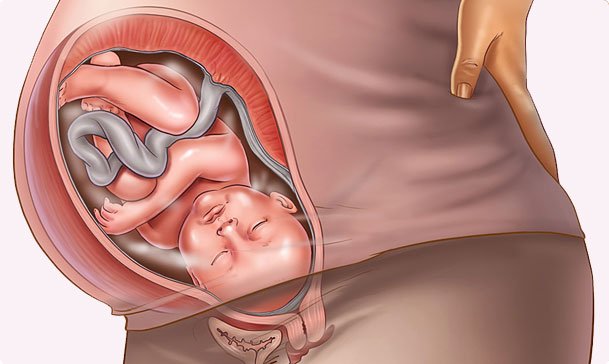
At 40 weeks pregnant, you may feel like you have had enough, but your baby is not perturbed! They are very cramped inside your uterus and will soon need to make their grand entrance. Your doctor will ask about your baby's movements, activity levels, and any changes in the pattern of activity. You may need to keep a record for your ante-natal appointments.
You may need a CTG (Cardiotocograph) this week, which monitors the baby's heartbeat as well as the muscle activity of your uterus. This is a routine check to ensure everything is progressing well.
Physical Changes at 40 Weeks Pregnant
- Braxton Hicks contractions: These promote a surge of oxygenated blood to your uterus and baby. They may seem fierce but unless painful and regular, do not be concerned.
- True labour signs: Watch for a sudden gush of fluid from your vagina, regular painful uterine contractions coming approximately every 15 minutes, or a steady continuous pain in your lower back. These can all be symptoms of true, early labour.
- Pelvic muscle strain: Your pelvic muscles are working overtime supporting the concentrated weight of your uterus. Like an overstretched sling, they are sagging at critical points. Sit when you can and find a comfortable chair.
Helpful Hints for Week 40 of Pregnancy
- Pack light for hospital: Having to scramble for items at the last minute creates stress. For a normal vaginal delivery, the longest hospital stay is typically 3 days, so pack light.
- Induction discussion: If you have had enough of being pregnant and want to be induced, discuss options with your care provider. Choosing to induce labour is a personal decision with multiple factors to consider.
- Caesarean section: If you have been booked for a caesarean delivery, you may have already had your baby in the last week or so.
Kimberly-Clark India makes no warranties or representations regarding the completeness or accuracy of the information. This information should be used only as a guide and should not be relied upon as a substitute for professional medical or other health professional advice.
FAQs on Week 40
At 40 weeks, your baby is full term and very cramped inside the uterus. Your doctor will monitor baby movements and may order a CTG (Cardiotocograph) to check the baby's heartbeat and uterine muscle activity. Labour could begin at any time now.
True labour signs include a sudden gush of fluid from your vagina, regular painful uterine contractions coming approximately every 15 minutes, or a steady continuous pain in your lower back. Contact your doctor immediately if you experience any of these symptoms.
A CTG (Cardiotocograph) monitors your baby's heartbeat as well as the muscle activity of your uterus. It is commonly used around 40 weeks to ensure your baby is healthy and that labour is progressing normally. The test is non-invasive and routine.
Induction at 40 weeks is a personal decision that should be discussed with your care provider. Multiple factors need to be considered including your wellbeing and your baby's health. If you feel you have had enough, your doctor can discuss all available options.
Pack light since a normal vaginal delivery typically means a 3-day maximum hospital stay. Avoid last-minute scrambling which creates unnecessary stress. Include essentials for yourself and baby, toiletries, comfortable clothing, and important documents.