Stages of pregnancy
Pregnancy week
33 Weeks Pregnant: Baby Lung Development and Body Changes
At 33 weeks, your baby is producing surfactant for lung maturity. Learn about amniotic fluid, Braxton Hicks contractions, incontinence, and weekly tips.
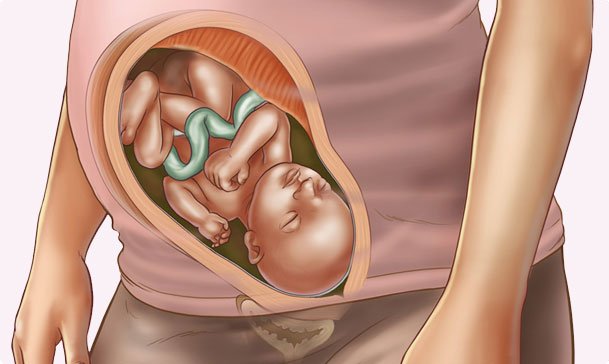
You have almost made it! Just a few more weeks and you will be rocking your little one to sleep. At 33 weeks pregnant, if your baby were born now, they would likely need some breathing support, but perhaps not. Their body is producing surfactant which helps the airways stay open and prevents collapse. If admitted to hospital with threatened premature labour, you would most likely receive a cortisone injection to help your baby's lungs mature.
There is about 1 litre of amniotic fluid creating a warm, sterile bath for your baby. The amount of amniotic fluid indicates how well your baby's kidneys are working - they should be producing around 500 ml per day at this stage of pregnancy.
Physical Changes at 33 Weeks Pregnant
- Urinary incontinence: More common in women who have been pregnant before. Small amounts of urine may leak when you laugh, sneeze, cough, or lift something heavy.
- Digestive discomfort: Your baby is pushing your stomach and intestines out of their normal positions, making it difficult to digest meals comfortably. Check with your doctor about safe antacids during pregnancy.
- Braxton Hicks contractions: These painless uterine contractions are nature's practice sessions and help create a surge of oxygenated blood to the placenta. Unless accompanied by pain, becoming regular, or losing fluid, do not be concerned. A change of position or warm shower can help them settle.
Helpful Hints for Week 33 of Pregnancy
- Pets and safety: Most couples find their relationship with pets changes once they become parents. As you get bigger, reduce the risk of tripping over pets. Keep the baby's room door closed to prevent your cat from settling in the cot.
- Pregnancy feelings: Try not to worry if you are not enjoying every minute of being pregnant. This is a common experience for many women but one that is not talked about often.
| Week 33 Milestone | Key Details |
| Surfactant production | Baby's body produces surfactant to keep airways open |
| Amniotic fluid volume | Approximately 1 litre |
| Baby's kidney output | Around 500 ml per day |
| Cortisone injection | Given if threatened premature labour to mature lungs |
Kimberly-Clark India makes no warranties or representations regarding the completeness or accuracy of the information. This information should be used only as a guide and should not be relied upon as a substitute for professional medical or other health professional advice.
FAQs on Week 33
At 33 weeks, your baby is producing surfactant to keep airways open and prevent lung collapse. There is about 1 litre of amniotic fluid, and your baby's kidneys should be producing around 500 ml per day. If born now, your baby may need some breathing support.
Braxton Hicks are painless uterine contractions that serve as nature's practice sessions for birth. They also help create a surge of oxygenated blood to the placenta. Unless accompanied by pain, becoming regular, or you are losing fluid, do not be concerned. A position change or warm shower helps.
Yes, urinary incontinence is common at 33 weeks, especially in women who have been pregnant before. Small amounts of urine may leak when you laugh, sneeze, cough, or lift something heavy. This is a normal effect of the growing baby pressing on your bladder.
Your baby is pushing your stomach and intestines out of their normal positions at 33 weeks, making comfortable digestion difficult. Check with your doctor about safe antacids that can be consumed during pregnancy to help manage heartburn and indigestion.
Yes, start preparing by managing pet access to the baby's room. Keep the door closed to prevent cats from settling in the cot. As you get bigger, reduce the risk of tripping over pets in the house. Most couples find their relationship with pets changes once they become parents.