Stages of pregnancy
36 Weeks Pregnant: Baby's Skull, Meconium and Final Prep
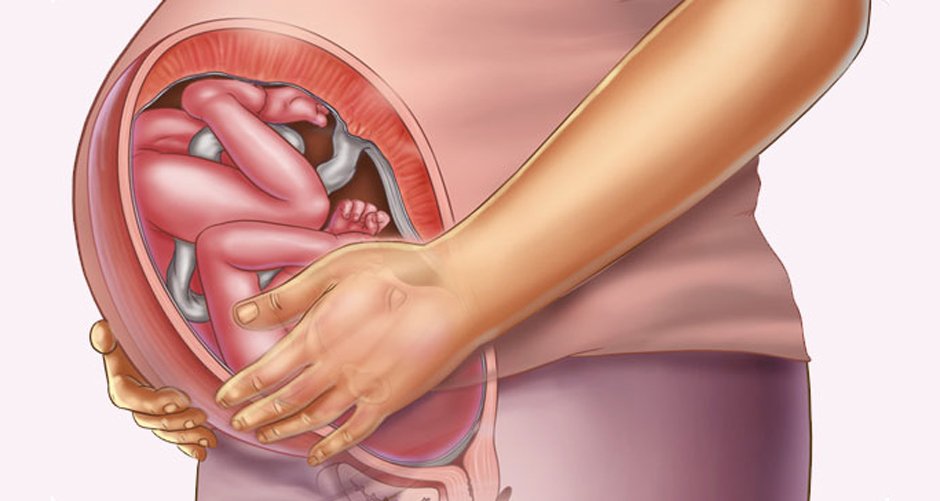
At 36 weeks pregnant, your baby's body is producing meconium - the sticky, black tarry substance that will form their first bowel motion. Some babies pass meconium while still in the uterus, which can be a sign of distress. If this happens, the amniotic fluid becomes stained and changes from clear to having a greenish tinge. If your waters break and you notice this, it is important to be checked by your midwife or doctor quickly.
Your baby's skull is a complex structure and the bones will not fuse until they are older. During birth, the skull must mould and adapt to the shape of the mother's birth canal. If this is your first pregnancy, your baby's head may start engaging or dropping into your pelvis this week. There is not enough room for tumble turns and movements are restricted. If your baby is in a position other than head down, discuss delivery options with your midwife or doctor.
Physical Changes at 36 Weeks Pregnant
- Sleeping challenges: Lying on your back is not advisable. Sleeping on your side is the main option, but alternating between two sides may leave you achy around hips and thighs.
- Frequent toilet visits: Your uterus is so large that your bladder does not need much urine to make you feel the urge. Expect multiple nighttime bathroom trips.
- Blood pressure awareness: Avoid changing too quickly from lying to upright and let your blood pressure adjust.
- Weekly appointments: Your doctor will likely encourage weekly ante-natal appointments from now, checking urine, blood pressure, weight, and uterine size. Fundal height will be measured to match with your dates.
- Pelvic bone separation: Your pelvic bones are separating and loosening, which can cause soreness and aching. Warm showers, baths, massage, and rest can help.
- Easier breathing: If your baby's head engages in your pelvis this week, your lungs and diaphragm can expand more and move into normal positions.
Helpful Hints for Week 36 of Pregnancy
- Dental hygiene: Brush your teeth at least twice daily and floss regularly. The bacteria causing tooth decay are highly contagious, and mothers can easily transfer oral bacteria to their baby's sterile mouth via saliva and breath.
- Afternoon naps: An hour-long afternoon nap is a good idea, but too much daytime sleep can impact nighttime insomnia. Be careful about how much time you rest after lunch.
- Prepare the cot: Research how to prepare your baby's cot and minimise the risks of SUDI (Sudden Unexplained Death in Infancy). It is always good to be informed.