Stages of pregnancy
Pregnancy week
35 Weeks Pregnant: Brain Development, Breech Position Tips
At 35 weeks, your baby's brain neurons are developing rapidly. Learn about breech positioning, colostrum, amniotic fluid, birth plans, and preparation tips.
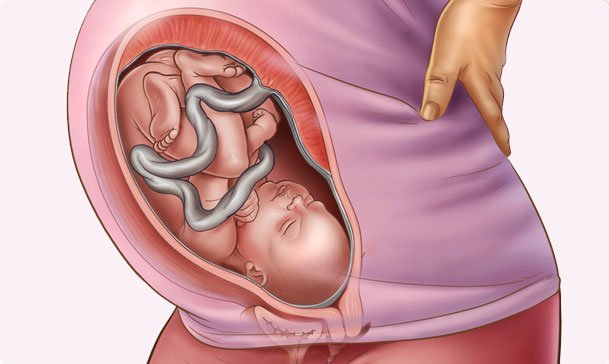
At 35 weeks pregnant, the neurons and early connections in your baby's brain are developing so that at birth, they will be perfectly wired to receive stimulation. Most babies lose weight in the first week after birth due to using more energy, but by two weeks most have regained their birth weight.
Your baby will not be rolling around as much now because there simply is not enough space. If you feel a change in your baby's movement patterns or they become unusually quiet, check with your obstetrician. You are the best judge of your baby's activity, so never feel as if you will not be taken seriously.
Physical Changes at 35 Weeks Pregnant
- Baby's position: If your baby has been in the breech position, hopefully this week it will turn to be head down (cephalic presentation), which is the best position for delivery.
- Colostrum: Colostrum may be leaking from your nipples. You may notice dried, crusted liquid on your nipples when removing your bra. Your breasts are heavier and streaked with blue veins - ensure you have been fitted correctly for comfortable maternity bras.
- Amniotic fluid: The amniotic fluid surrounding your baby is at its peak in week 35 and will start to diminish. This fluid has a distinctive odour different from urine. If you suspect your membranes may have ruptured, check with your obstetrician.
Helpful Hints for Week 35 of Pregnancy
- Breastfeeding class: This is a good time to attend a breastfeeding education class. Reading about how to attach a baby to the breast is very different to seeing it done.
- Prepare for water breaking: Invest in plastic sheeting for your mattress. Keep a towel in the car as well. If a mother's water breaks when the baby's head is still high, there tends to be more of a gush of fluid.
- Birth plan: If you have not already drawn up a birth plan, think about doing one now. Consider what kind of birth you want and who you want with you during delivery. Remember there are no guarantees when it comes to childbirth - your priority is always health and wellbeing.
Kimberly-Clark India makes no warranties or representations regarding the completeness or accuracy of the information. This information should be used only as a guide and should not be relied upon as a substitute for professional medical or other health professional advice.
FAQs on Week 35
At 35 weeks, your baby's brain neurons and connections are developing rapidly so they will be perfectly wired at birth. Your baby has less room to roll around. Most babies lose weight in the first week after birth but regain their birth weight by two weeks.
Breech position means the baby is positioned feet or bottom first instead of head down. By 35 weeks, the baby should ideally turn to head-down (cephalic presentation), which is the best position for delivery. Discuss delivery options with your doctor if the baby remains breech.
Yes, colostrum leaking at 35 weeks is completely normal. Colostrum is the first milk your body produces for the baby. You may notice dried, crusted liquid on your nipples. Your breasts will be heavier and streaked with blue veins - ensure you have a properly fitted maternity bra.
Amniotic fluid has a distinctive odour very different from urine. It is easy for pregnant mothers to be confused about whether they are leaking urine or amniotic fluid. If you are in any doubt that your membranes may have ruptured, check with your obstetrician immediately.
Yes, if you have not already drawn up a birth plan, 35 weeks is a good time to do so. Consider the kind of birth you want and who you want with you during delivery. Remember there are no guarantees with childbirth - your priority should always be health and wellbeing.
Check with your obstetrician if you feel a change in your baby's movement patterns or they become unusually quiet. While less rolling is normal at 35 weeks due to limited space, you are the best judge of your baby's activity and should never hesitate to seek medical advice.