Stages of pregnancy
18 Weeks Pregnant: Baby Movements and Physical Changes
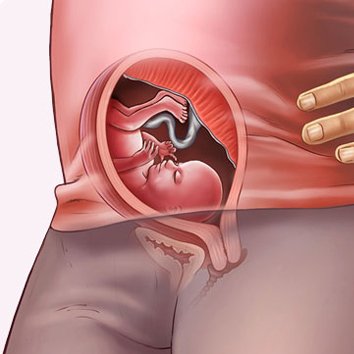
This should be an exciting week for you. Every new twinge and symptom brings a reminder that you are really going to have a baby. Of all the pregnancy signs, none is more convincing than feeling your baby move for the first time.
Is That My Baby I Can Feel Moving?
If this is your first pregnancy, you may not feel your baby's movements until around 18-20 weeks. These first movements are called quickening and feel like gentle flutters, bubbles, or tickles. Women who have been pregnant before tend to recognise these sensations earlier because they know what to expect.
Your Physical Changes at 18 Weeks Pregnant
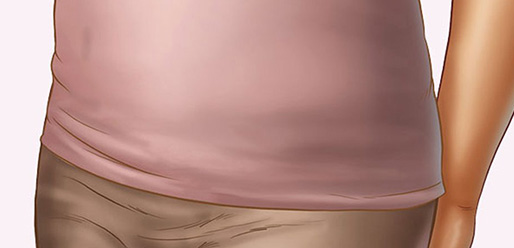
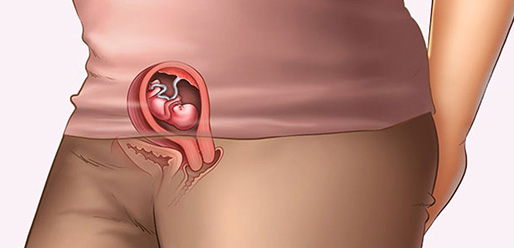
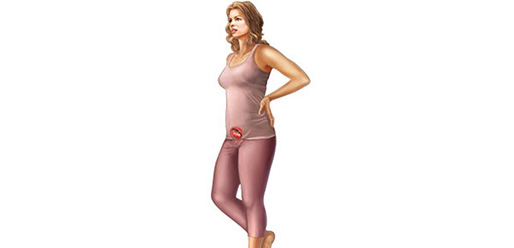
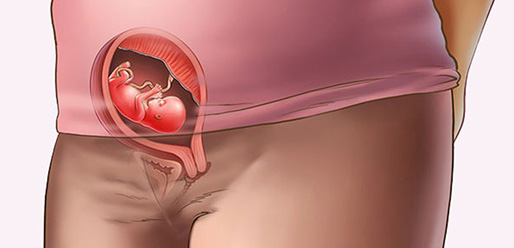
- Growing belly: Your uterus is now approximately the size of a rockmelon. Others can clearly see your baby bump.
- Cardiovascular changes: Your blood pressure may be slightly lower than normal due to increased blood volume and hormones relaxing blood vessel walls.
- Dizziness: Standing up too quickly can cause dizziness. Rise slowly and hold onto something stable.
- Skin changes: Pregnancy hormones may cause pigmentation changes, especially a dark line (linea nigra) running down your belly.
Your Emotional Changes at 18 Weeks
- You may feel a renewed sense of energy and excitement now that the first trimester fatigue has passed.
- Mood swings may continue but tend to be less intense than earlier weeks.
- Feeling your baby move can create a powerful emotional bond and make the pregnancy feel more real.
Your Baby's Development at 18 Weeks
- Your baby is approximately 14 cm long and weighs around 200 grams.
- The nervous system is maturing rapidly and myelin (a protective covering) is forming around nerves.
- Your baby can yawn, hiccup, and swallow amniotic fluid.
- Fingerprints are forming on tiny fingertips.
- If your baby is a girl, the uterus and fallopian tubes are already formed and in place.
Helpful Hints for Week 18
- Stay hydrated: Drink plenty of water to support your increased blood volume and prevent dehydration.
- Sleep on your side: As your belly grows, sleeping on your side (preferably the left) improves blood flow to your baby.
- Wear comfortable clothing: Maternity wear helps accommodate your changing body shape.
- Plan your anatomy scan: The mid-pregnancy ultrasound typically happens between weeks 18-20.
Yoga for Week 18 of Pregnancy
Gentle yoga and stretching exercises can help relieve aches and improve flexibility during the second trimester. Always practise under expert guidance.
Key Takeaways for Week 18
Week 18 marks an exciting time when you may first feel your baby move. Stay active, maintain a healthy pregnancy diet, and enjoy this milestone in your journey to motherhood.